
Ever wondered if your destiny might be written in the stars? Vedic astrology has been guiding people for thousands of years by reading the night sky. Unlike the usual horoscopes that focus only on the sun, this ancient practice also looks at the moon and fixed stars to reveal who you truly are.
It shows you how the heavens shape your everyday life with clear, simple insights. Curious about how these cosmic hints can brighten your modern world? Keep reading, and let the stars share their gentle wisdom with you.
Fundamentals of Vedic Astrology
Vedic astrology is an age-old system that began about 5,000 to 7,000 years ago in the Vedas, which are revered texts full of early wisdom. It looks at the stars and planets to give us a clear view of life and how the cosmos touches our daily journey. In this practice, the planets and stars act like gentle guides, influencing our traits and life path. Unlike many modern horoscopes that focus on the Sun sign, Vedic astrology uses the Moon sign, revealing more about our inner selves. It follows a sidereal zodiac that charts the sky based on fixed stars instead of seasonal changes. This method helps paint a more exact picture of a person's character and possible paths, all linked to the precise moment of birth.
- Graha (planets)
- Rashis (zodiac signs)
- Bhava (houses)
- Nakshatras (lunar mansions)
- Panchang (calendar elements)
Getting your exact birth details, such as date, time, and place, is very important in Vedic astrology. These details let astrologers calculate the correct positions of the stars and planets, truly reflecting the moment you were born. By using the sidereal zodiac, they can pinpoint your Moon sign and other key points in your chart. This careful method brings clear guidance about your strengths, lessons, and life themes. With such precise info, the ancient wisdom of Vedic astrology shines through, helping you understand your life in a simple and heartfelt way.
Historical Roots and Vedas Influence in Vedic Astrology
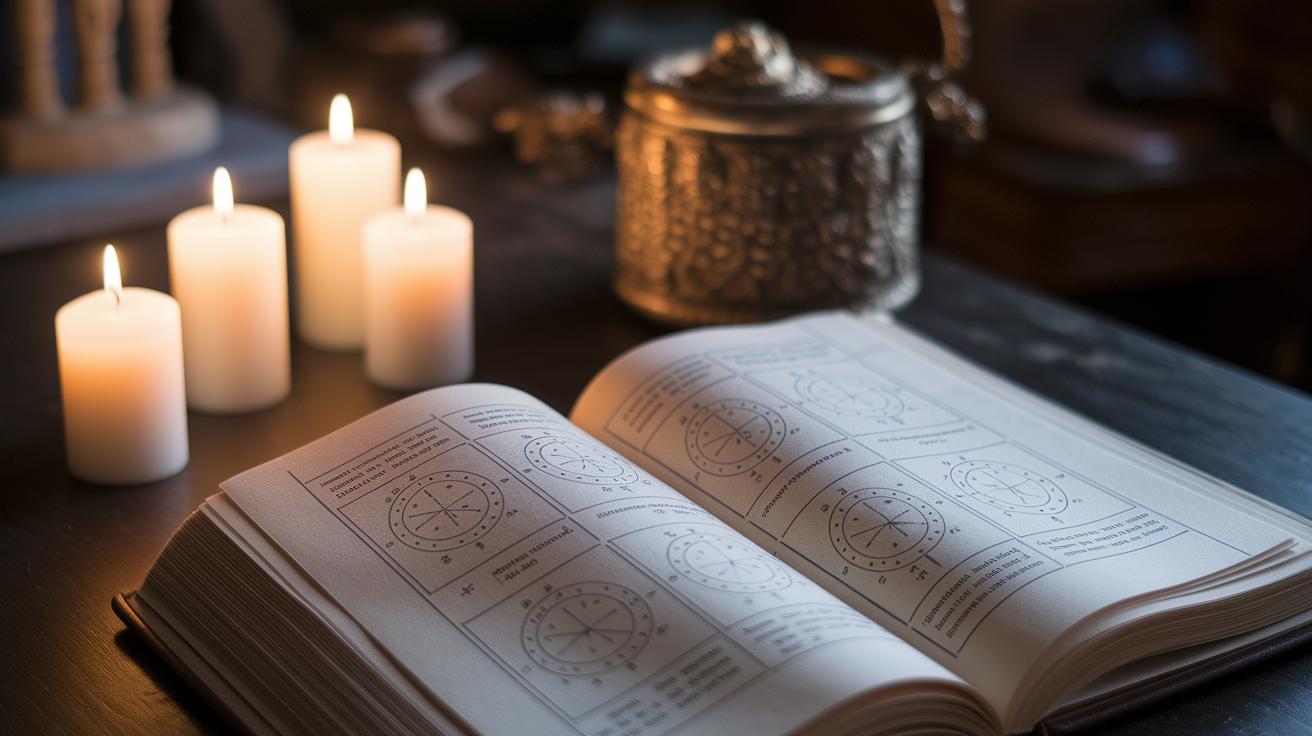
Vedic astrology finds its roots in the ancient writings of the Rigveda and Atharvaveda. These texts first introduced the idea of a Hindu horoscope, planting the early seeds of cosmic observation in India.
Later, works like the Brihat Parashara Hora Shastra, written around the 3rd century CE, organized these starry ideas into a clear framework. Medieval scholars kept these jyotish practices alive by sharing their wisdom through oral teachings and handwritten manuscripts. They paid close attention to the vedic calendar, carefully tracking the planets and the changing seasons. One wise sage might have said, "The stars guide our days by whispering secrets of time," capturing the gentle dance of destiny and cosmic rhythm.
In the 20th century, following changes in immigration laws after 1965, Vedic astrology began to spread around the world. In the United States, over 3 million Hindus embraced this timeless wisdom, blending ancient astronomy with modern life. This journey from a local tradition to a global practice shows how this ancient art continues to adapt, offering guidance and insight across time and geography.
Key Components: Chart Construction, Houses, and Nakshatras in Vedic Astrology
A Vedic natal chart is like a snapshot of the night sky when you were born. It shows 12 houses, each telling a story about parts of your life such as who you are, your relationships, your job, and more. These houses start at the rising sign, which marks the beginning of your chart. Along with these life areas, 9 planets, called grahas, help shape your traits and decisions. Plus, there are 27 nakshatras, or lunar mansions, each covering 13°20′ of the sky. These nakshatras add subtle touches to the Moon’s energy, explaining why you might feel certain emotions in a unique way. For example, while one house might reveal your personal identity, the nakshatras can show you why you experience emotions the way you do. If you’re curious, you can learn more by checking out the link on "birth chart houses."
The layout of your Vedic chart creates a full picture of the cosmic energies around you. Each house offers insights into different life events and personal quirks. The planets act like lively forces interacting within these sections, giving a dynamic vibe to your chart. Meanwhile, the nakshatras refine those insights by clarifying the Moon’s influence, a very important part of this tradition. This mix of houses, planets, and nakshatras makes Vedic astrology a unique blend of art and know-how, connecting the dots between what’s happening in the sky and your daily life.
| Component | Quantity | Purpose |
|---|---|---|
| Houses | 12 | Life sectors |
| Planets (Graha) | 9 | Influencing forces |
| Nakshatras | 27 | Lunar energy nuances |
Knowing your exact birth time is key in Vedic astrology. A precise moment means your houses, planets, and nakshatras line up correctly. When your birth time isn’t clear, special techniques can adjust your chart so it fits your life events more closely. This careful tuning helps astrologers provide clearer guidance and dependable insights, mirroring the cosmic fingerprint that makes you who you are.
Predictive Techniques: Dasha Cycles and Transit Analysis in Vedic Astrology

The Vimshottari Dasha is a 120-year cycle that slices your life into clear, planet-led phases. It shows which planet is guiding you at a certain time and helps explain why things happen when they do. Think of it as your cosmic roadmap where each leg of the journey has its own unique energy.
In this system, a big period called the Maha Dasha gives you the overall picture, while smaller Antar Dasha segments add more details. For example, if you're riding a long Jupiter wave, shifts in your career or love life might come from shorter cycles like Mercury or Mars. Ever wondered why changes sometimes burst out unexpectedly during a long phase? These mini-cycles help answer that puzzle.
Transit analysis, also known as Gochara, tracks how planets move through zodiac signs. Astrologers watch major planets like Saturn and Jupiter as they pass key points in your birth chart, a simple map of the sky at your birth. This method refines the broad timing of the dasha cycles, giving clear hints about when shifts might occur. It’s a mix of steady cosmic rhythms and sudden sparkles that guides you forward with heartfelt clarity.
Remedies and Gemstones: Balancing Planetary Effects in Vedic Astrology
In Vedic astrology, there are many simple ways to help balance the energy from the planets. Experts often suggest wearing gemstones like Ruby to brighten the Sun's influence, Pearl to calm the Moon's energy, and Garnet as a boost for Mars. They also recommend chanting specific mantras and setting up yantras, which are special diagrams that bring a gentle, calming vibe into your space. Sometimes, they might even guide you through fiery yagya ceremonies and herbal rituals that match your personal birth chart. All these practices are here to help shift the celestial energy, easing challenges and strengthening your life’s gifts.
Working with a skilled astrologer is key. With a personalized chart reading, you get the right gemstone, mantra, and timing for each ritual, perfectly tuned to your unique details. For more tailored advice and cosmic insights, consider a consultation through vedic astrology readings. You can also dive deeper into the world of gemstones and planetary energy by visiting interpreting planetary influences in your birth chart.
Vedic Astrology vs Western Astrology: Key Differences in Approach and Calculation

Vedic astrology works with a sidereal zodiac that uses the fixed stars as its guide, while Western astrology follows the tropical zodiac, which is set by the equinoxes. In Vedic practice, the Moon sign really takes center stage, and dashas break your life into different planetary periods. On the other hand, Western astrology leans more on the Sun sign and looks at planetary transits to shed light on life events.
Vedic astrology dives deep into life cycles with its dashas, connecting each planetary phase to a specific time of change. Western methods, meanwhile, track ongoing transits to catch immediate shifts in energy. This approach means Vedic astrology sees life as a mix of destiny and free will, where your choices blend with cosmic timing. In contrast, Western astrology tends to focus on faster, more immediate trends to explain our experiences.
Personalized Guidance: Consulting Vedic Astrologers and Practical Applications
Today’s Vedic astrologers craft in-depth readings, sometimes 30 pages long, that reveal the secrets of your birth chart. They look at your Moon sign (which shows your inner feelings), your nakshatras (lunar constellations), dashas (cycles in your life), and chart yogas (special planetary patterns) to help you see your path in work, love, and more. Imagine getting a clear cosmic roadmap that points out your strengths and the opportunities ahead, guiding you step by step on your life journey.
You can chat with these astrologers over the phone or through a simple message. Just share your birth details, like your date, time, and place, so they can work their magic and tailor everything perfectly to you. This friendly, personal approach blends predictions with practical advice, and even gives you options for grounding remedies if you need them. Plus, clear session times and prices mean you can easily pick the consultation that fits your needs.
Final Words
In the action, we explored the basics of vedic astrology from its ancient roots to the detailed art of chart construction. We touched on key concepts like planetary influences, lunar mansions, and time cycles that color daily guidance. Each section showed how important accurate birth details are, whether you’re looking at dashas or gemstone remedies. The insights we shared can help you feel more aligned with the cosmic flow, offering clear and transformative directions for everyday life. Embrace the magic of vedic astrology and step forward with renewed optimism.
FAQ
What are some Vedic Astrology books?
The Vedic Astrology books guide readers through ancient wisdom found in the Vedas. They explain charts, planets, and predictions while offering practical insights for learning this time-honored system.
How does a Vedic astrology calculator work?
The Vedic astrology calculator uses your birth details to generate a natal chart based on the sidereal zodiac. It computes planetary positions, revealing personality traits and potential future events in a clear, straightforward way.
What is a Vedic astrology chart, and how is it interpreted?
The Vedic astrology chart maps planets, houses, and lunar mansions at the time of birth. It is interpreted to highlight key life areas, energy patterns, and timing influences, making complex cosmic details accessible.
What does Vedic astrology include in its practices and predictions?
The Vedic astrology system includes planetary positions (Graha), zodiac signs (Rashis), houses (Bhava), lunar mansions (Nakshatras), and calendar elements (Panchang). These components work together to produce personalized predictions and insights.
Are there free resources available for Vedic astrology?
The Vedic astrology free resources offer online tools and calculators that generate charts and basic predictions without cost, making it easier for beginners to explore and understand this ancient practice.
What are Vedic astrology signs?
The Vedic astrology signs refer to zodiac signs (Rashis) based on a sidereal system. They help in understanding personality traits and life patterns in a simple, relatable manner rooted in ancient tradition.
Where can I discuss Vedic astrology on Reddit?
The Vedic astrology Reddit forums are vibrant places where enthusiasts share experiences, exchange tips, and ask questions about chart interpretations and predictions, making it a friendly community for cosmic conversations.
Is Vedic astrology accurate, and how does it compare with other systems like numerology or Western astrology?
The accuracy of Vedic astrology arises from precise birth details and sidereal computations. It offers deeper lunar insights and is often considered more revealing than numerology, while differing significantly from the approach of Western astrology.