
Have you ever wondered how a collapsing nebula starts a joyful cosmic dance? Gravity pulls scattered gas together, turning it into twinkling stars and orbiting planets. Each phase, like the rings on a tree, tells its own story of bright beginnings and quiet endings.
This guide shows how a star shines brightly at birth before slowly fading away, much like day turns into night. Have you ever looked up and felt the magic of our ever-changing sky?
Cosmic Lifecycle Primer: From Nebula to Planetary Demise
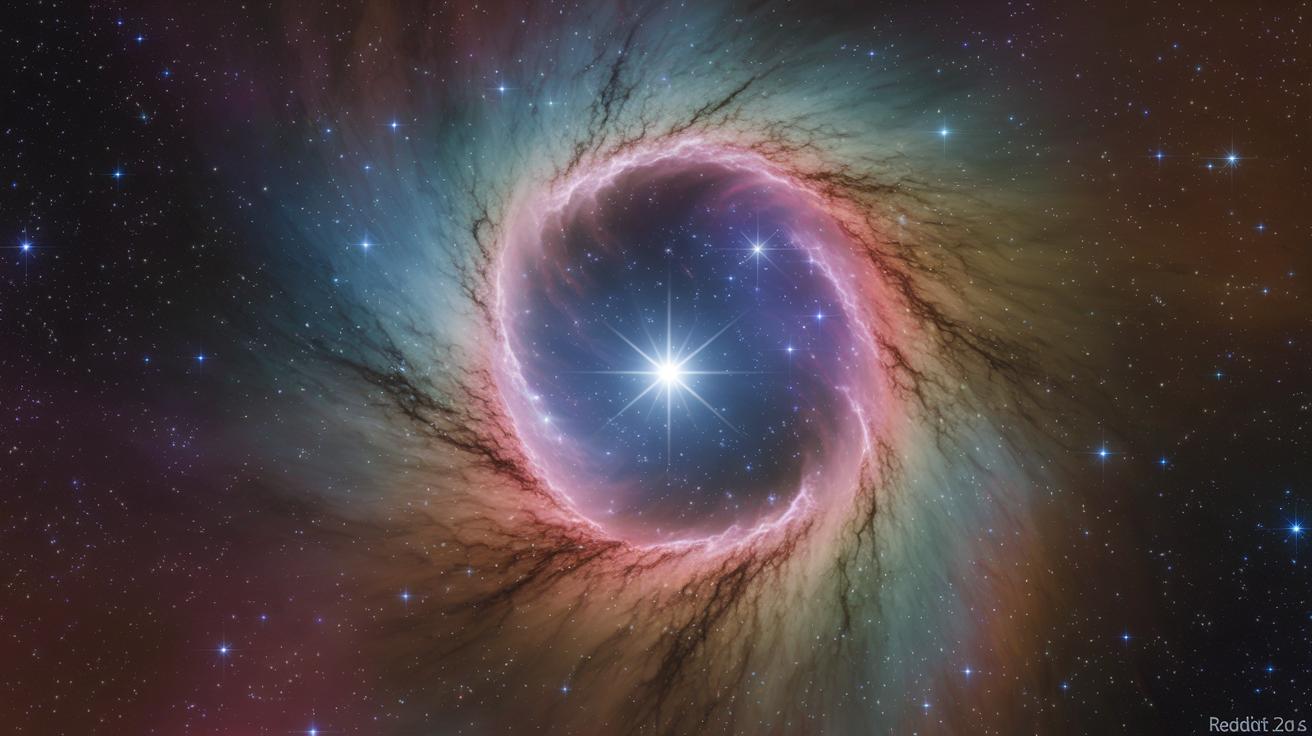
When a nebula collapses, it marks the very first step in creating a star system. Gravity pulls in the huge clouds of gas once they become unstable, and this process takes about a million years. As the gas tightens, it heats up until nuclear fusion lights up the core, giving birth to a young star. A once cold, spread-out nebula transforms into a lively hub of cosmic energy.
Next, a swirling disk of gas and dust forms around the new star. This spinning disk gradually cools and its bits start to stick together. Little clumps, or planetesimals, come together much like our Solar System started forming billions of years ago. Dust particles collide and merge into larger bodies that eventually grow into full-fledged planets. The overall shape of the disk gives us a clue about the types of planets that may appear later.
Once these early planets form, they begin a long journey of change. Over billions of years, they cool from the inside and get reshaped by impacts. Volcanic eruptions, shifting plates, and collisions all leave their mark. Some planets lose parts of their atmospheres or even get caught up with the remains of their star. These processes slowly turn vibrant worlds into quiet remnants, shaping the fate of every planet in the system.
- Formation phases
- Demise pathways
Stellar Birth Phenomena and Nebula Assembly Analysis
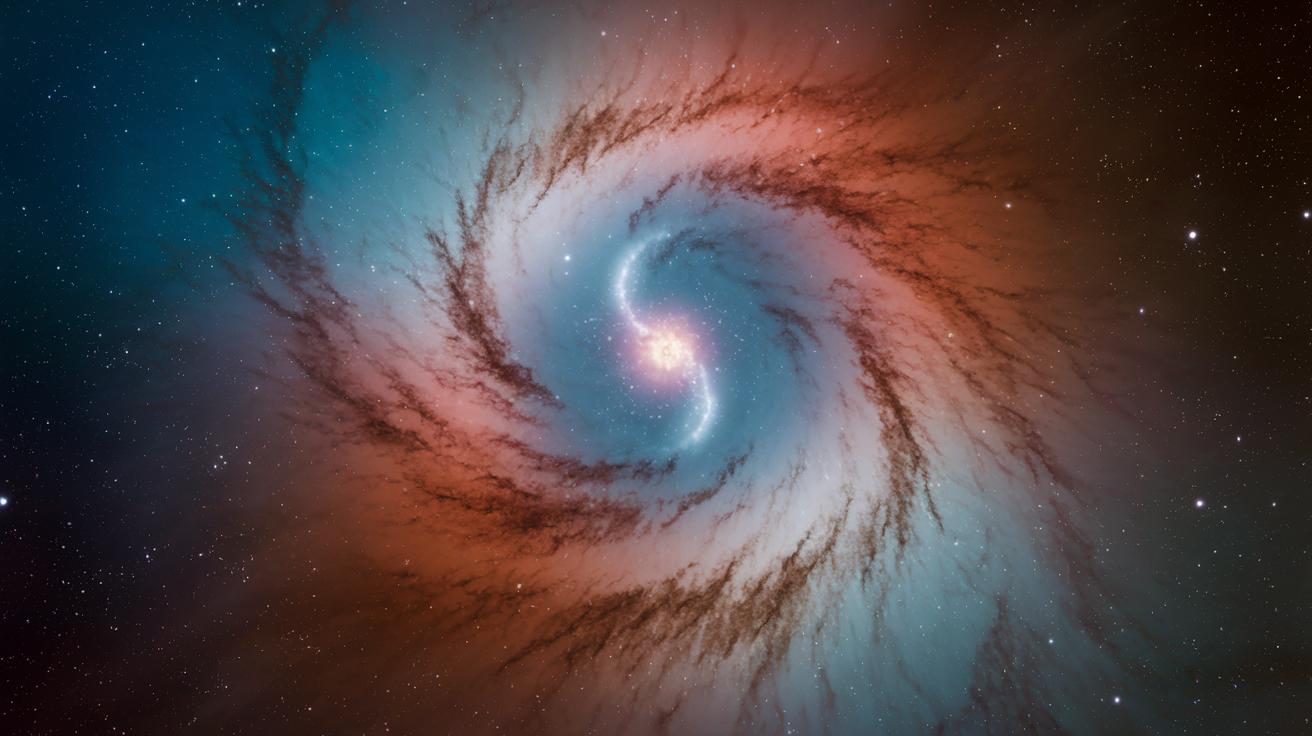
The cosmos gets started in huge clouds of gas and dust that are just about to collapse. When a cloud gets heavy enough – about the weight of our sun – its own gravity wins over the little push from inside. Small bumps in the cloud start a process that makes it fall inward, and this free-fall usually takes about a million years. Dust and gas mixing together and how fast material gathers all play a role in lighting up the nebula.
Temperature and density are very important. When these clouds cool down to nearly 10 K, the gentle pressure is loosened, letting denser pockets of gas collapse easier. Variations in density and the soft friction between gas and dust work together to shape the nebula. These steps help set the stage for materials to come together slowly, forming the seeds of new stars and planets.
Molecular Cloud Collapse
Within these giant clouds, little differences in density really matter. The point when a region is too heavy to keep its shape – called the critical Jeans mass – is when things change. Once a pocket gets past this limit, it falls inward in about a million years. This collapse not only deepens the density but also can trigger nearby parts of the cloud to follow suit in a chain reaction.
Accretion Disk Formation
As the cloud collapses, it also starts spinning because of conserved angular momentum. The material begins to swirl around the new center, gradually forming a disk. Over time, dust and gas in this disk slowly stick together, hinting at the future birth of planet-sized objects.
| Process | Timescale |
|---|---|
| Cloud Collapse | ~1×10^6 years |
| Disk Formation | ~1×10^7 years |
Planet Creation Methods and Space Matter Condensation
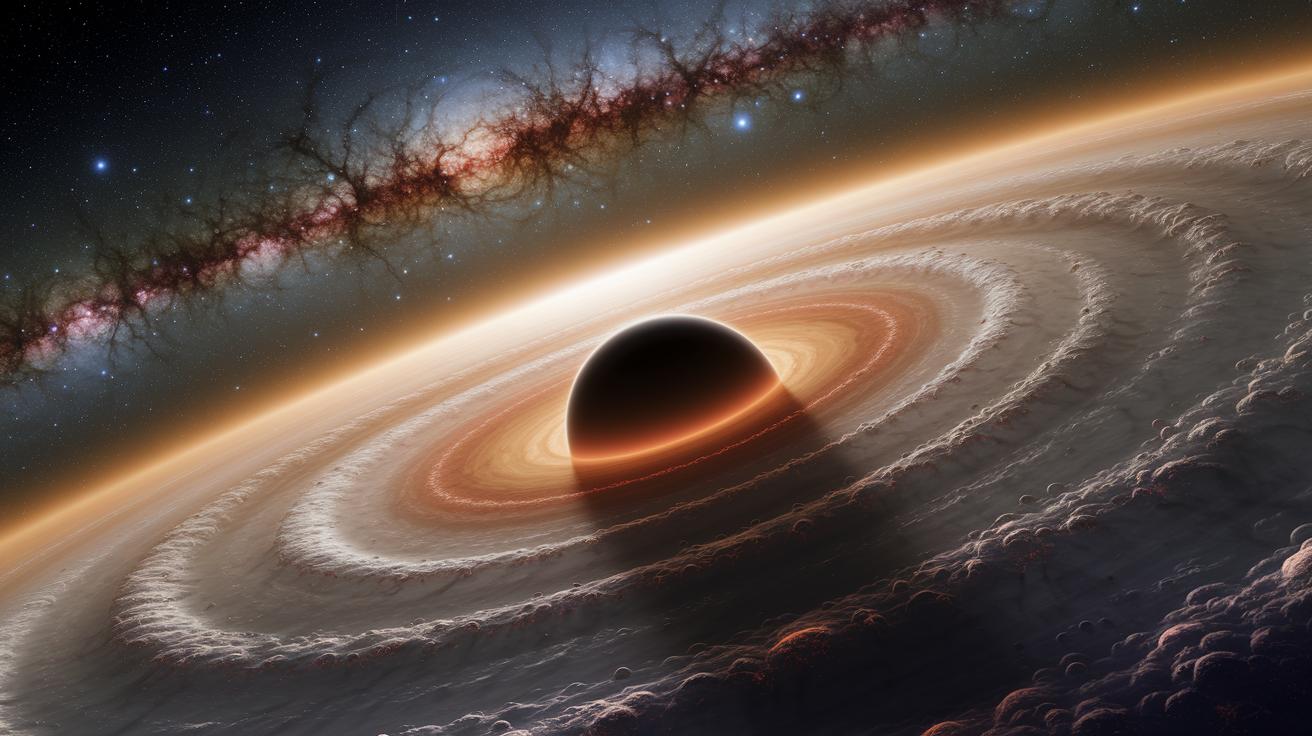
In the young days of a star, tiny dust grains start bumping into each other inside a swirling cloud called the protoplanetary disk. These little particles gently stick together, forming soft clumps much like the way a gentle breeze gathers fallen leaves, slowly shaping what we call pebbles.
As these pebbles grow bigger, they eventually form planetesimals, small, kilometer-sized building blocks. This phase feels like a joyful, runaway dance where each collision makes growth faster and stronger. In fact, as these bodies get larger, their gravity becomes like a warm magnet, pulling in more and more cosmic dust to help shape a proto-planet.
Later on, if the solid core becomes strong and massive enough, it starts collecting a thick envelope of gas. This gathering of gas can lead to the birth of dazzling gas giants or influence rocky planets in unique ways. Another possibility is a sudden collapse in a part of the disk, known as disk instability, where things come together rapidly under their own gravity. The path a planet takes depends on a few key things:
- Mass of solids
- Disk temperature
- Orbital distance
- Gas-to-dust ratio
Orbital Process Overview and Gravitational Stability
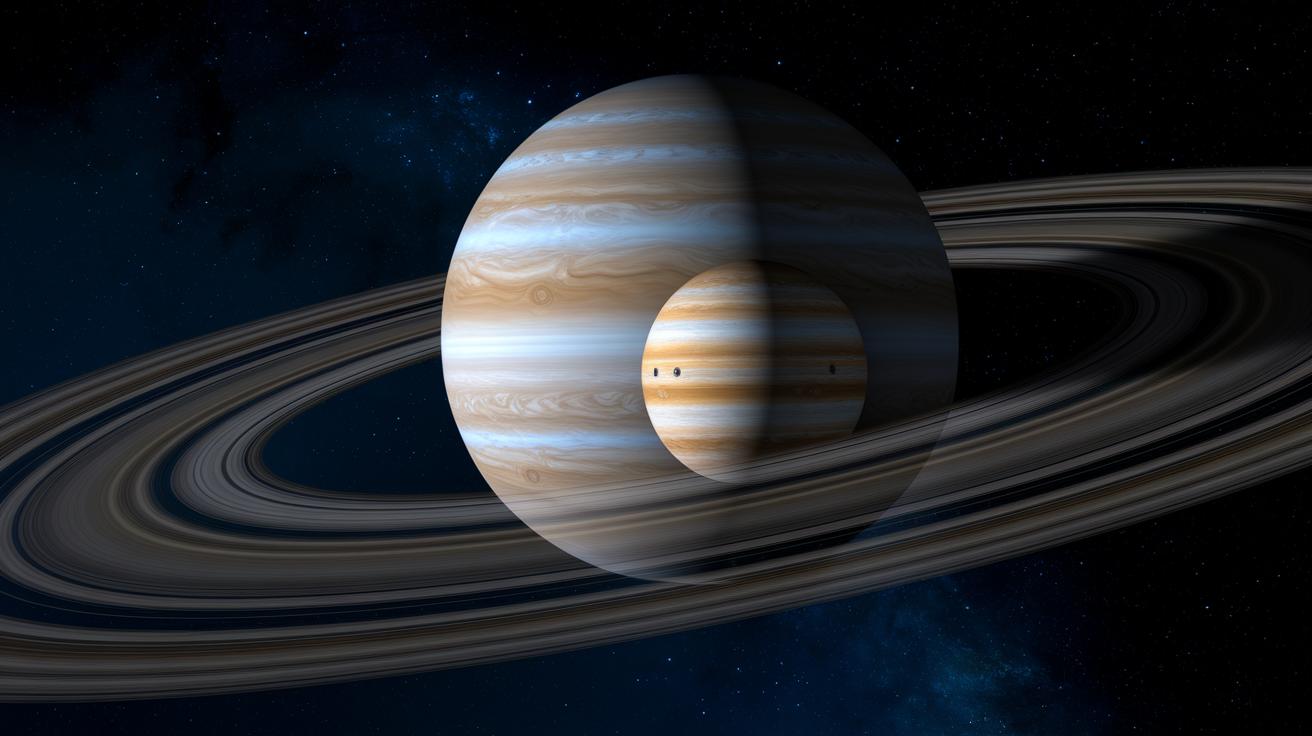
Orbital resonances are like a graceful cosmic dance where planets move in a steady, repeating rhythm. For instance, imagine Jupiter twirling around twice for every single spin of Saturn. This gentle tug between giants follows the basic rules of space motion, keeping their paths orderly and free from wild, unpredictable shifts.
Sometimes, planets don’t stay put because they feel a soft push from the swirling gas and dust cloud they were born from. These nudges, like a gentle shove from an unseen hand, cause a planet to move closer to or wander further from its star. It’s a quiet process that helps decide where each planet finally finds its home in the great cosmic neighborhood.
Long-term stability in a planetary system comes down to little zones of influence like the Hill sphere and limits such as the Roche limit. Think of the Hill sphere as a protective bubble where a planet’s gravity holds sway over its moons. The Roche limit, on the other hand, marks the spot where the pull of the tides might start tearing a body apart. These cosmic rules keep the planets on a safe, predictable path over countless years.
Universe Chronology Breakdown: From Big Bang to Supernova Aftermath
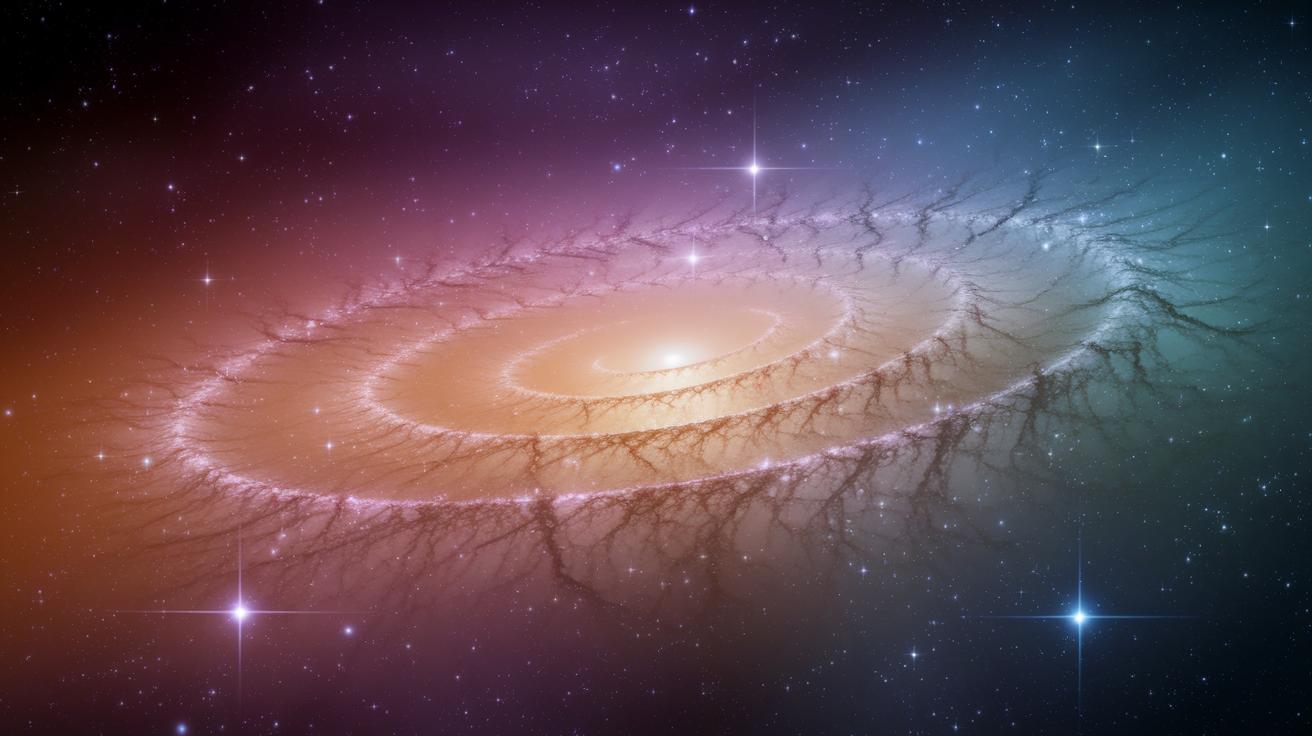
The cosmos burst into action about 13.8 billion years ago with the Big Bang. In those first moments, space stretched quickly and sowed the seeds of all the matter we see today. Then, around 380,000 years later, things cooled enough for particles to come together into neutral atoms. This allowed light to travel freely, leaving behind a soft glow that we can still detect. It was a quiet but important start that set the stage for everything that came next.
Not long after, between 100 and 500 million years post-Bang, the very first stars began to twinkle. Their light warmed up the dark universe, and you can almost imagine the gentle shimmer of starlight filling the void. These early stars pulled matter together, forming larger structures. Over the next one to three billion years, these clusters of stars came together to create galaxies, vast cities of stars held tight by gravity and dark matter. It was a key step in building the intricate cosmic picture we marvel at today.
About 10 billion years ago, the universe hit its peak for birthing new stars. Galaxies exploded with star formation, and many massive stars ended their lives in spectacular supernova explosions. These brilliant outbursts spread essential elements across space, seeding the cosmos for new stars and planets. Watching these cycles of fiery endings and fresh beginnings reminds us of life’s own constant flow and transformation.
| Stage | Description |
|---|---|
| Big Bang | The explosive start that began everything |
| Recombination | Particles combined into atoms, letting light roam free |
| First Stars | The initial twinkles in a dark universe |
| Galaxy Assembly | Stars gathered to form massive galactic structures |
| Peak Star Formation | A period of rapid new star birth and spectacular supernovae |
Exoplanet Discovery Insights and Interstellar Medium Evolution
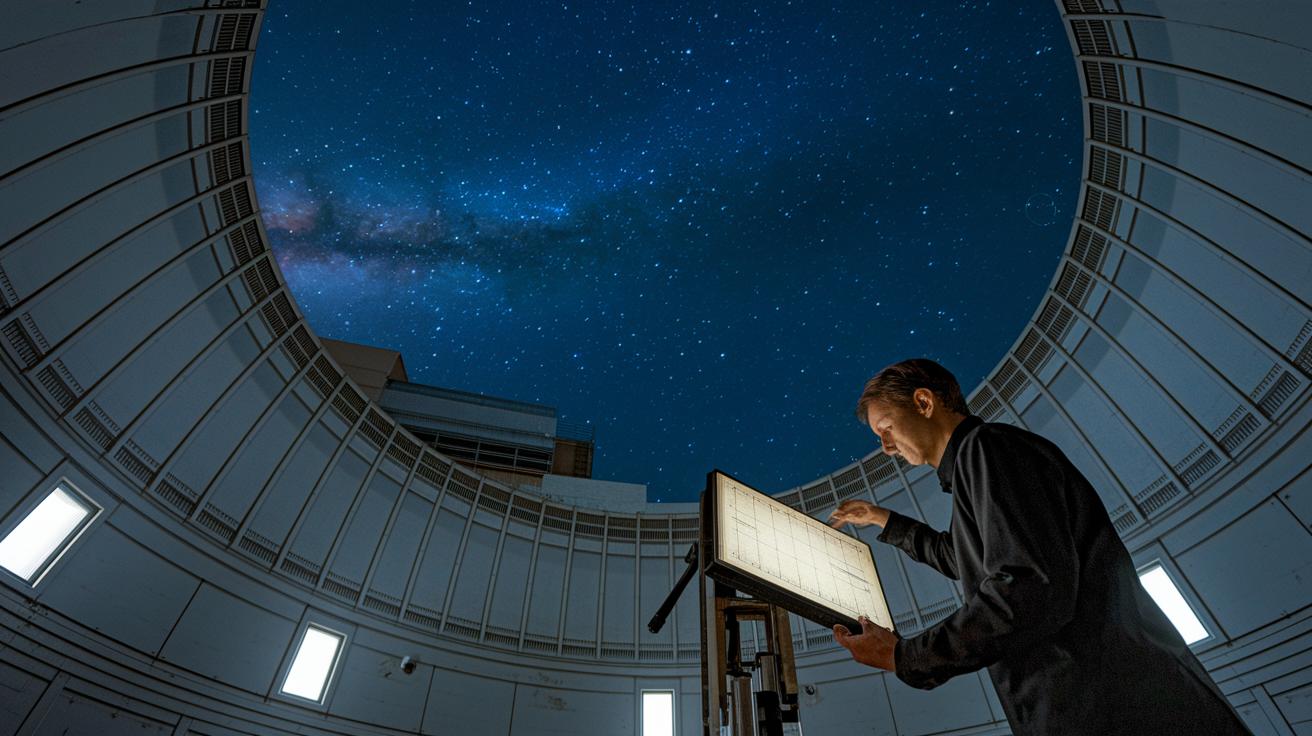
Detection techniques are really the heartbeat of exoplanet research. Scientists use the transit method with telescopes like Kepler and TESS to watch for tiny dips in a star's brightness when a planet crosses in front. It’s a bit like catching a glimpse of a distant dance, which helps us figure out the planet's size and orbit.
Population studies show that exoplanets can be both young and old. By measuring the wobble of stars with instruments like HARPS, researchers see that younger systems often have planets with wild, shifting orbits, while older systems tend to have calmer, more stable paths. This helps us understand how planets and their systems slowly change over time.
Supernovae play a key role in keeping the space between stars fresh. When huge stars explode, they fling heavy elements and dust all over the place. This enriched material gets recycled, laying the foundation for new stars and planets. It’s a never-ending cycle of cosmic renewal, much like nature’s own way of refreshing its workspace.
- Hot Jupiter migration timelines
- Multi-planet resonance chains
Astrological and Cultural Perspectives on Cosmic Cycles
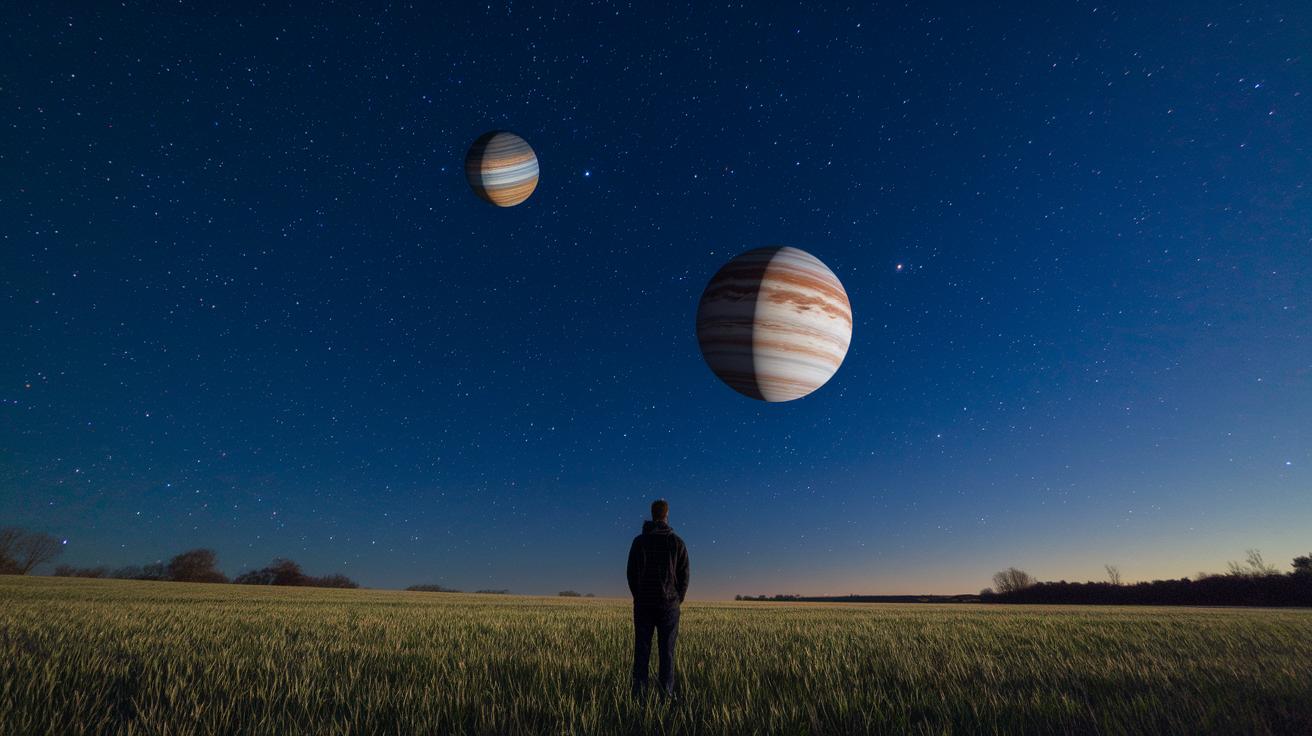
Astrology shows us that the planets can mirror our inner feelings and daily happenings. When Mercury appears to move backward for about three or four weeks, it signals a time to watch our words and travel plans closely. It’s like a gentle reminder from the stars that our everyday actions dance in tune with the grand rhythms of the sky.
Cultural views add even more meaning to our life choices. For example, the Venus cycle, which lasts around 584 days, nudges us to think about love and our close bonds. And then there’s Jupiter, taking about 12 years to complete its orbit, hinting at moments ripe for growth and new opportunities. These cosmic cycles help us feel connected to the universe’s natural timing.
- Mercury Retrograde
- Venus Synodic Period
- Jupiter Return
Final Words
In the action, we explored cosmic transformations from nebula collapse to exoplanet discoveries and even astrological cycles. We unraveled how stellar birth and collapse work alongside gravitational and orbital interactions. Each insight, from dust grain collisions to astrological markers, brings the vast universe into personal focus.
Positive changes shine like stars above. Embrace this wisdom and let it guide you, just as the principles of planets and life cycles: a cosmic guide brighten your path.
FAQ
What do the cosmic guide PDF, planets in transit book, and planets in transit life cycles for living describe?
These resources describe how planetary movements shape life cycles, offering insights into cosmic changes from creation to decay while connecting celestial events to everyday living.
What will happen when all planets align spiritually?
When all planets align spiritually, you experience a boost in energy and intuition that can encourage self-reflection, deeper inner awareness, and openness to personal growth.
What planet moves in 7 year cycles?
The idea of a planet moving in 7-year cycles is a symbolic interpretation in astrology; no planet has a strict 7-year orbit, but some astrological patterns suggest cyclical shifts around this time.
What is the planetary cycle in astrology?
The planetary cycle in astrology refers to the repeating patterns of planetary positions that influence personal experiences and symbolic shifts, linking cosmic movement to moments of inner change.