
Ever felt like a star’s gentle fade might be hiding a secret, far-off story? When a planet glides in front of its star, even a small dip in brightness can spark big questions about our universe. That little shift, neatly recorded on a simple graph, helps scientists explore the sizes and distances of these remarkable planets. In truth, planetary transits are more than just rare events, they open a window into the wonders of nearby stars and the mysteries of far-off exoplanets.
Planetary Transit Sparks Cosmic Curiosity
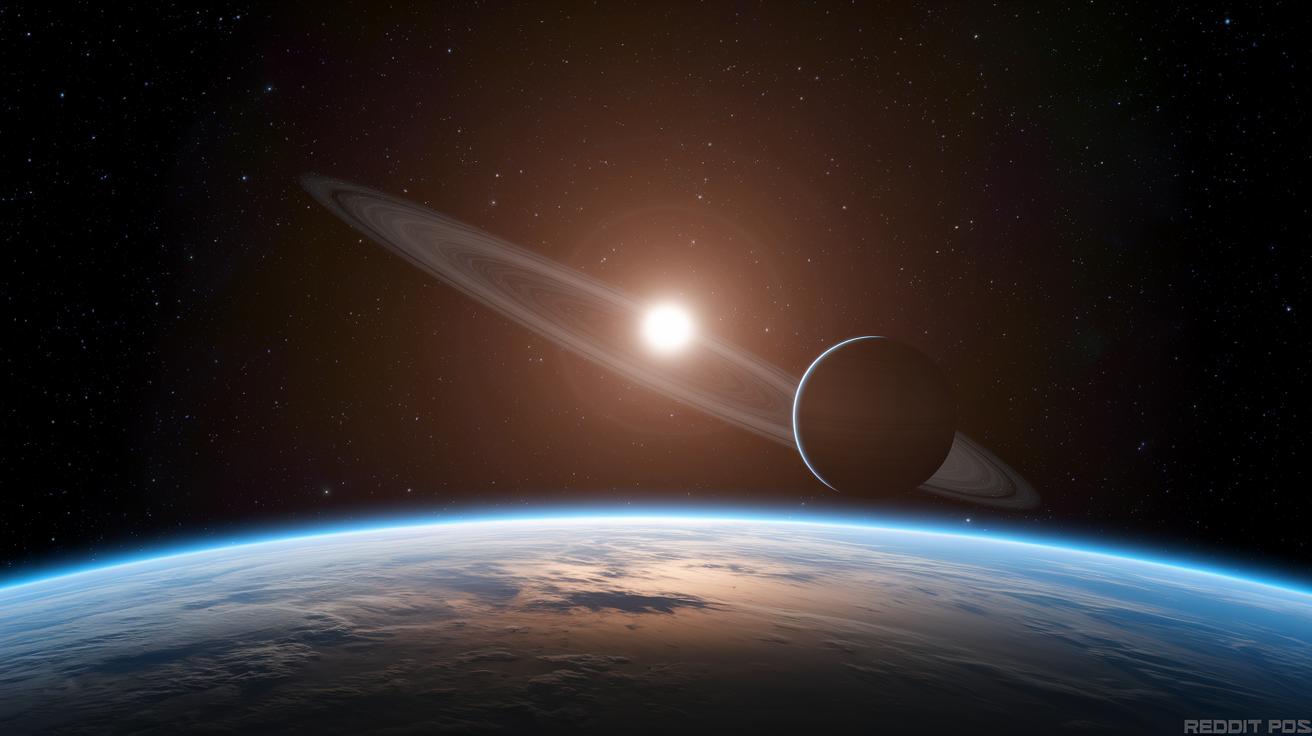
Imagine gazing up into the night sky and noticing a gentle shift as a planet moves in front of a star. When this happens, the star’s light dims ever so slightly, like a soft, secret wink from the universe. Scientists record this change using a transit light curve, a simple graph that shows the light fading and then returning to normal.
Early on, researchers were surprised to see these subtle flickers of light. They used this tiny dimming as a clue to measure vast cosmic distances. Today, we still rely on these transit light curves to uncover details about both the planet and its star. The degree of dimming mainly depends on the size of the planet compared to the star. For planets similar to Earth, this decrease is often less than 1 percent.
This method has been used for centuries. In fact, historic events like the Venus transits of 1639 and 1761 played a key role in determining the distance to the Sun. And then, in 1999, astronomers observed the first transit of an exoplanet – HD 209458 b – confirming that worlds beyond our Sun exist.
Every time these events occur, astronomers gather fresh insights about planetary sizes, orbits, and even atmospheric details. It’s a wonderful blend of science and mystery that connects our familiar celestial neighborhood with the exciting unknowns of distant exoplanets.
Observational Techniques for Planetary Transits
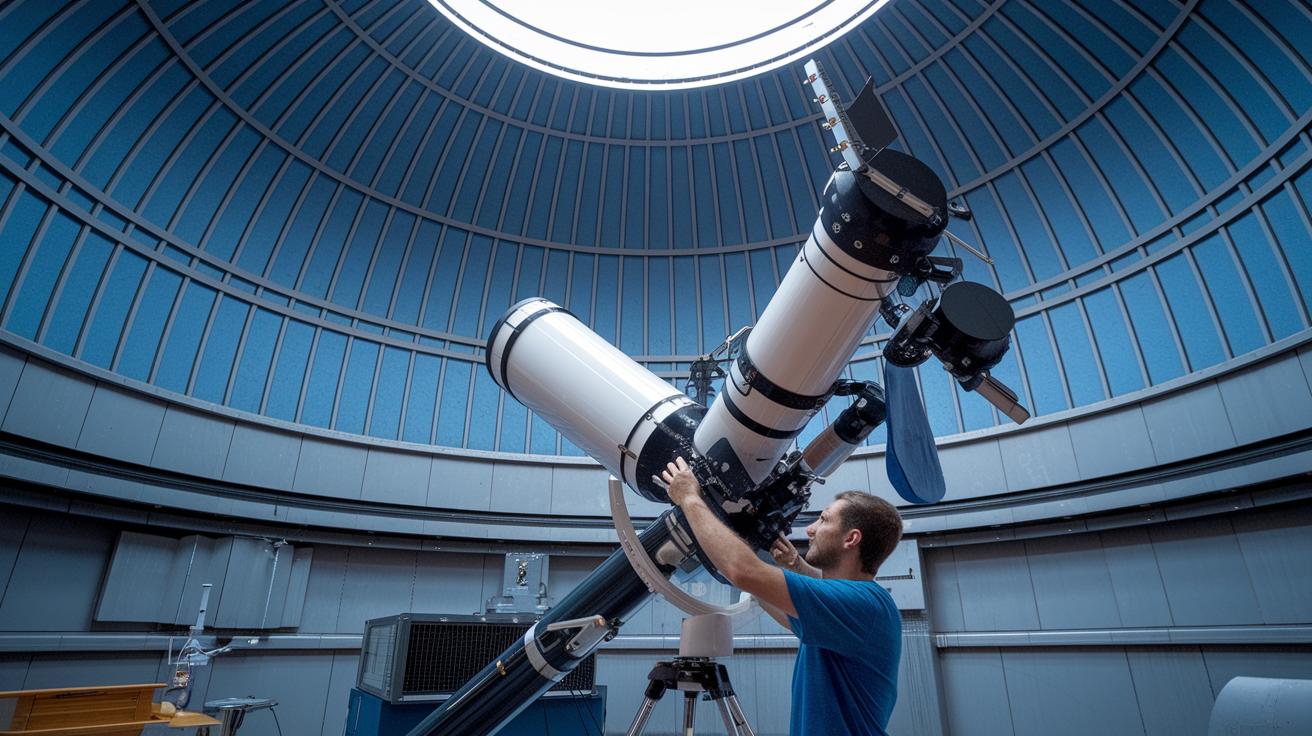
When we observe the cosmos, one important tool is high-precision photometry. In simple terms, when a planet drifts in front of its star, scientists notice a small dip in brightness. They use very sensitive instruments that can catch even the softest change in starlight.
Here are five key techniques that help researchers study these cosmic events:
-
CCD photometry
Modern CCD cameras capture detailed pictures that reveal tiny changes in brightness. Imagine the gentle shimmer of a star as an exoplanet makes its quiet pass. -
Differential photometry
This approach compares the light from a target star with that from nearby stars. By doing so, it helps clear up any distortions caused by Earth’s own atmosphere. -
Space-telescope monitoring
Telescopes like Kepler and TESS fly above our atmosphere, giving us a clear, uninterrupted view of the stars with superb sensitivity. -
Transit spectroscopy
This technique examines the starlight that filters through a planet’s atmosphere during a transit, offering clues about the planet’s chemical makeup. -
Radial-velocity confirmation
Scientists also track a star’s slight wobble, a gentle tug caused by the orbiting planet, to confirm what they observe during a transit.
Ground-based observatories mainly rely on CCD photometry and differential photometry to overcome the challenges posed by our atmosphere, capturing tiny changes that might otherwise go unnoticed. Meanwhile, space-based telescopes provide steady, clear views that allow for detecting minute shifts in light. By comparing these methods, astronomers gain a fuller picture of transit dynamics and the characteristics of distant planets.
Tools and Software for Planetary Transit Analysis

When you watch a star softly dim as a planet passes in front of it, the right tools make all the difference. Apps like the NASA Exoplanet Archive Ephemeris Service help pinpoint the exact moment a planet crosses its star by calculating T₀ – that special time when everything aligns.
There’s also the Exoplanet Transit Predictor. This handy tool gives you clear numbers for planning your observations, showing when a transit will happen along with the details of the planet’s orbit. It’s a bit like checking your watch before a cosmic event.
Another favorite is AstroImageJ, a desktop program that turns raw data into light curves. You get to see a simulated transit where the star gently dims and brightens, making it easier to match theory with what you observe in the sky.
These tools do more than crunch numbers. They help compute orbital periods, predict transit lengths, and even offer visual transit simulations so you can compare calculated data with real telescope observations. Whether you’re a curious stargazer or a dedicated scientist, these programs will guide you on when and where to catch the next transit.
- NASA Exoplanet Archive Ephemeris Service
- Exoplanet Transit Predictor
- AstroImageJ for light-curve extraction and model fitting
Historical Milestones in Planetary Transit Observations
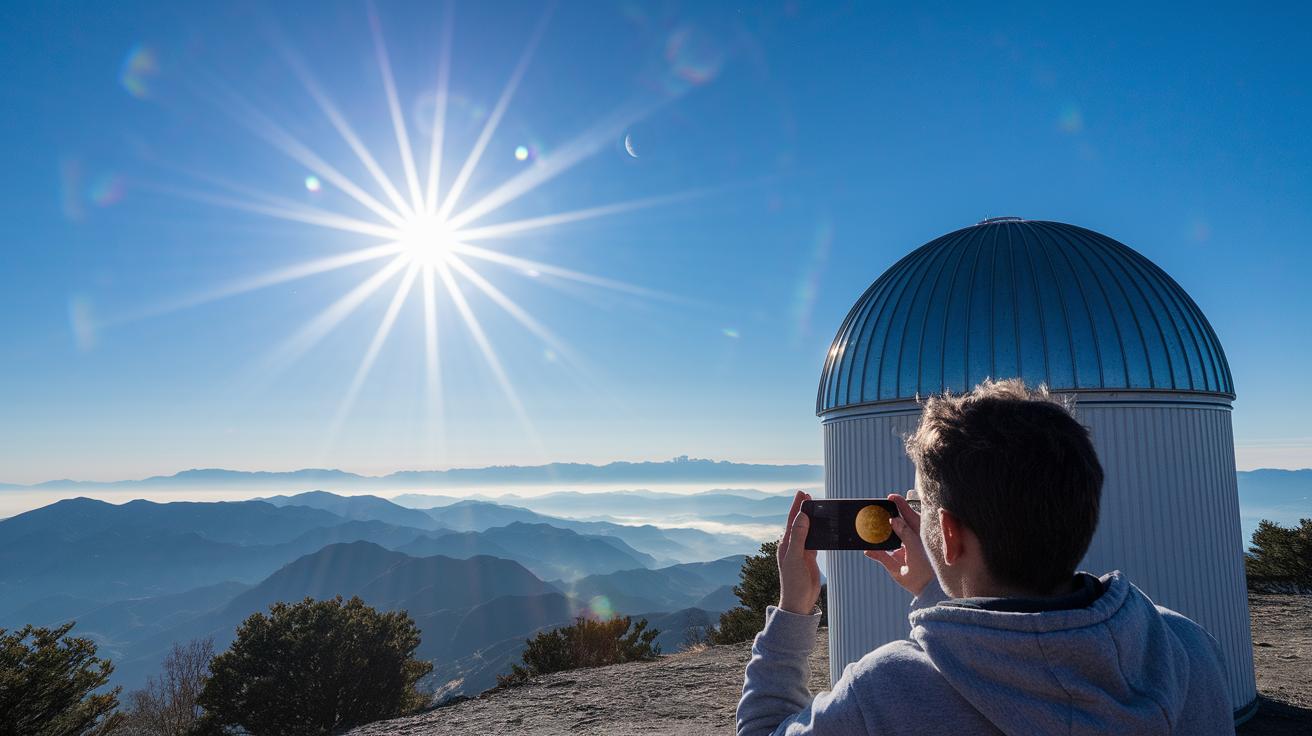
Over the years, watching planets cross in front of the sun has filled us with wonder and helped us learn more about our sky. These early moments opened the door to modern astronomy by showing us new ways to measure distances in our solar system. They also brought the magic of the heavens to everyday people.
Below is a table that highlights four special events that changed how we study the stars:
| Date | Planet | Observer(s) | Significance |
|---|---|---|---|
| 1631 | Mercury | Pierre Gassendi | One of the first times a transit was recorded, which helped us measure space better. |
| 1639 | Venus | Jeremiah Horrocks | Gave us clues about how planets move and the vast size of the universe. |
| 2004 | Venus | Global teams | Brought new interest in watching transits and improved our space tools. |
| 2019 | Mercury | Multiple observatories | Helped us track planetary paths more precisely and got more people excited about astronomy. |
These key events not only changed how we measure space but also invited more people to explore the beautiful dance of our solar system.
Predicting Upcoming Planetary Transits in the Solar System

Imagine watching a tiny planet glide across the bright face of the Sun. That’s what inner-planet transits let us do, giving us a live peek at our solar system working its magic. For instance, Mercury will cross the Sun on November 13, 2032, and then again on November 7, 2039. Even rarer is Venus making a similar journey on December 10–11, 2117. These dates are set with incredible precision using JPL DE ephemerides, which means experts can predict the moment a planet starts its solar dance down to fractions of a second.
Each transit comes with special moments called contact timings. These are split into four parts, from the first touch on the Sun’s edge to the final exit. These timings help us know exactly when to start watching and when the show ends. It’s like having a clear schedule for a cosmic event.
Where you stand on Earth matters too. Your exact location will decide if you have the best view or just a glimpse of the event. In spots with a clear horizon, such as high-altitude locations, you might see the transit with extra clarity. It’s a reminder that our own place on the planet influences how we experience these celestial happenings.
The magic of these transits is all about timing. Scientists and planet lovers count on these calculated windows to catch every part of the event. It’s a blend of careful planning and the natural rhythm of the universe, a moment where science meets the wonder of the cosmos.
Role of Planetary Transits in Exoplanet Discovery and Study

Transit surveys have really changed the way we discover new worlds beyond our solar system. Imagine watching a tiny shadow cross a bright light. When a planet passes in front of its star, it blocks a little bit of light. This small dip helps us guess the planet's size compared to the star.
Kepler was a true game changer. Between 2009 and 2018, it discovered more than 2,600 planets by spotting these tiny changes in light. Then came TESS in 2018, and it has already found over 3,000 candidates by watching thousands of stars closely. Both missions use a tool called high-precision photometry. This method tracks light changes very carefully and helps scientists figure out the planet’s orbit. With extra tests, like radial velocity observations, researchers can even estimate the planet’s mass.
Transit spectroscopy takes things one step further. Telescopes like Hubble and JWST look at starlight as it filters through a planet’s atmosphere during a transit. This gives us hints about the gases in the atmosphere. Sometimes, astronomers even spot signs of chemicals like sodium or water vapor. For instance, HD 209458 b is a well-known exoplanet that showed clear evidence of these chemicals when it passed in front of its star.
These methods have not only broadened our view of the universe, but they’ve also given us a way to study the atmospheres of planets far away from home. It’s a neat blend of science and wonder, letting us see the unique features of distant worlds in a very personal way.
Final Words
In the action, we uncovered what a planetary transit is and why it's so fascinating. We looked at how precise observations, smart tools, and rich historical moments bring these events to life. We even peeked at upcoming transits and their impact on finding distant worlds. Each piece of info helps us see the clear relationship between cosmic events and our everyday lives. This insight invites us to keep our eyes toward the stars and feel empowered by the wonders of a planetary transit.
FAQ
Frequently Asked Questions
Q: What is a planetary transit?
A planetary transit occurs when a planet moves directly between an observer and a star, causing the star’s light to briefly dim. This event helps scientists measure planetary sizes and orbital paths.
Q: What is the current transit of planets and its impact?
The current transit of planets refers to the moments when visible planets align with a star, resulting in measurable brightness changes. Observers and astrologers alike use this data to track cosmic shifts and influences.
Q: When will upcoming planetary transits, like Saturn’s, occur?
Upcoming planetary transits vary by planet. For instance, predictions indicate that Saturn’s transit might occur in either 2025 or 2026, based on precise astronomical calculations and updated ephemerides.
Q: How do planetary transits factor into astrology?
In astrology, planetary transits are seen as markers that may influence moods and decisions. Astrologers interpret these events to suggest potential changes in personal and collective energies that guide daily reflections.
Q: What does Drik Panchang say about planetary transits?
Drik Panchang offers a traditional calendar that details the dates and times of planetary transits based on astrological principles. It helps users track celestial events and plan activities aligned with favorable cosmic timing.
Q: Where can I access a free transit chart with interpretation?
Free transit charts with detailed interpretations are available on various astrology websites. These charts break down planetary alignments and provide insights into potential trends based on current celestial movements.