
Have you ever felt like the stars are characters in your life’s story? Imagine the Moon gently reflecting your feelings while the Sun brightens the true you. In astrology, each planet has its own part, nudging your daily choices and hinting at bigger, unseen cycles. This post invites you to see your birth chart as a simple cosmic map that connects you to a familiar but mysterious rhythm.
Planetary Symbolism in Astrology Sparks Cosmic Intrigue
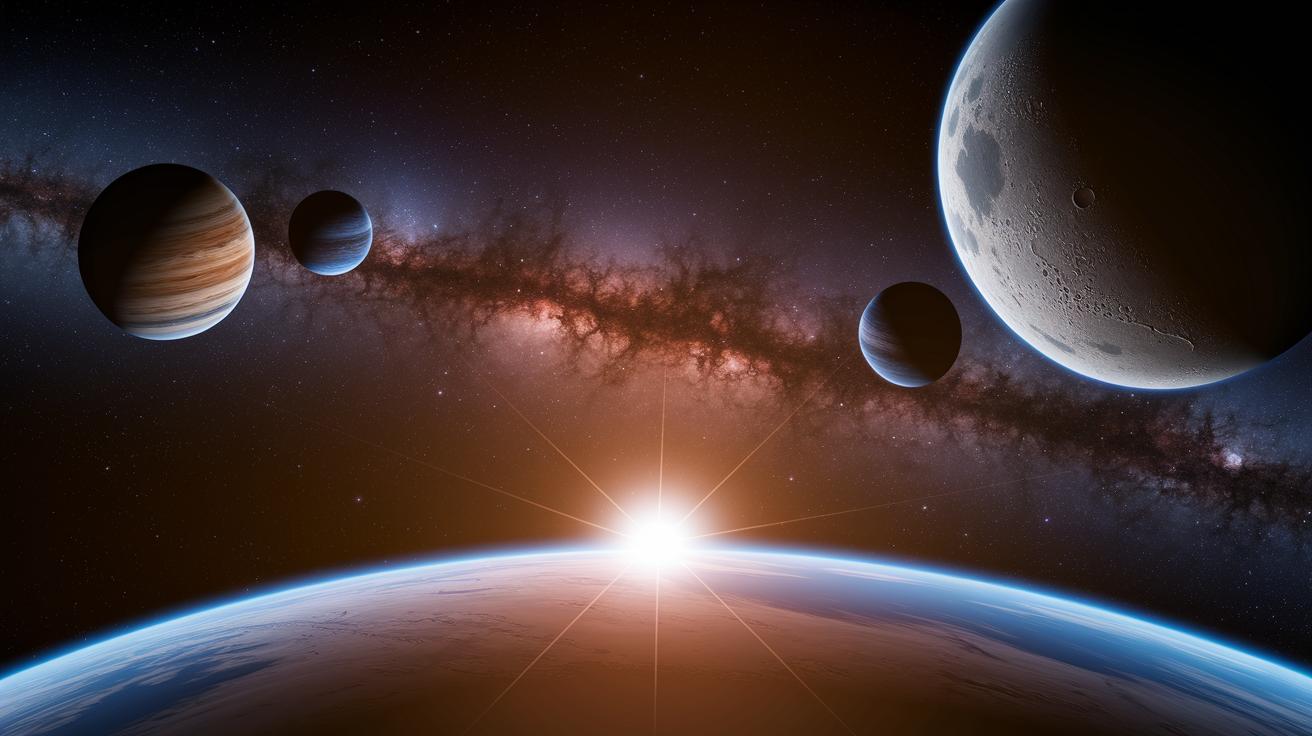
Planets and key points in your birth chart work like leading characters in your life story. Each one carries its own energy that helps shape who you are and the events you experience. The Sun and Moon light up your true self, while your rising sign and chart ruler set the stage for how others see you at first. Think of them as standout stars on a cosmic stage. For example, picture the Moon softly mirroring your moods, much like a gentle nightlight.
Astrology sorts these celestial bodies into clear groups. The personal planets, Mercury, Venus, and Mars, show what you like, dislike, and push you to act each day. Next come the social planets, Jupiter and Saturn, which highlight traits that many people share over time. Finally, the outer planets, Uranus, Neptune, and Pluto, reveal big, long-term cycles that can influence entire eras. Long ago, astrologers carefully watched the skies and saw these bodies as energy messengers, telling us about inner drives and timeless patterns.
Here are the main groups in simple terms:
- Luminaries: They light up who you are.
- Personal planets: They guide your everyday traits.
- Social planets: They reflect broader social and generational influences.
- Outer planets: They point to longer, bigger cycles.
Today, many feel that even though these planets are far away, their energies are closely linked to our everyday lives. Their steady motions seem to sync with our experiences, creating a constant dance between the cosmos and our daily paths. Imagine a weather forecast for your life, where each planet gives you clues about the conditions that might shape your choices and challenges.
Mythological and Historical Context of Planetary Symbolism in Astrology

Long ago, ancient people paired each planet with a powerful god or goddess. They believed that Mars blazed like a fiery warrior, Venus shone with the glow of pure love, and Mercury zipped around as the wise messenger. These easy-to-feel stories helped form the language we use to talk about the stars today. For example, old Hellenistic writings even called Mercury "the star that carries wisdom," showing just how much these myths still mean to us.
Even today, you can see echoes of these classic tales. Over 22,000 asteroids and minor planets , names like Vesta, Juno, Pallas Athena, and Ceres , bring forward the same goddess energy into modern astrology. They aren’t just random labels; they carry old, magical legends that continue to color our understanding of the cosmos.
Our charts still display classical symbols that landed in our lives from those early traditions. These glyphs are like cosmic shorthand, linking our daily experiences to ancient stories of gods and goddesses. Imagine walking through a museum of myths where every planetary symbol whispers a tale as timeless as the night sky.
Influence of Planetary Symbolism in Astrology on Zodiac Signs and Houses
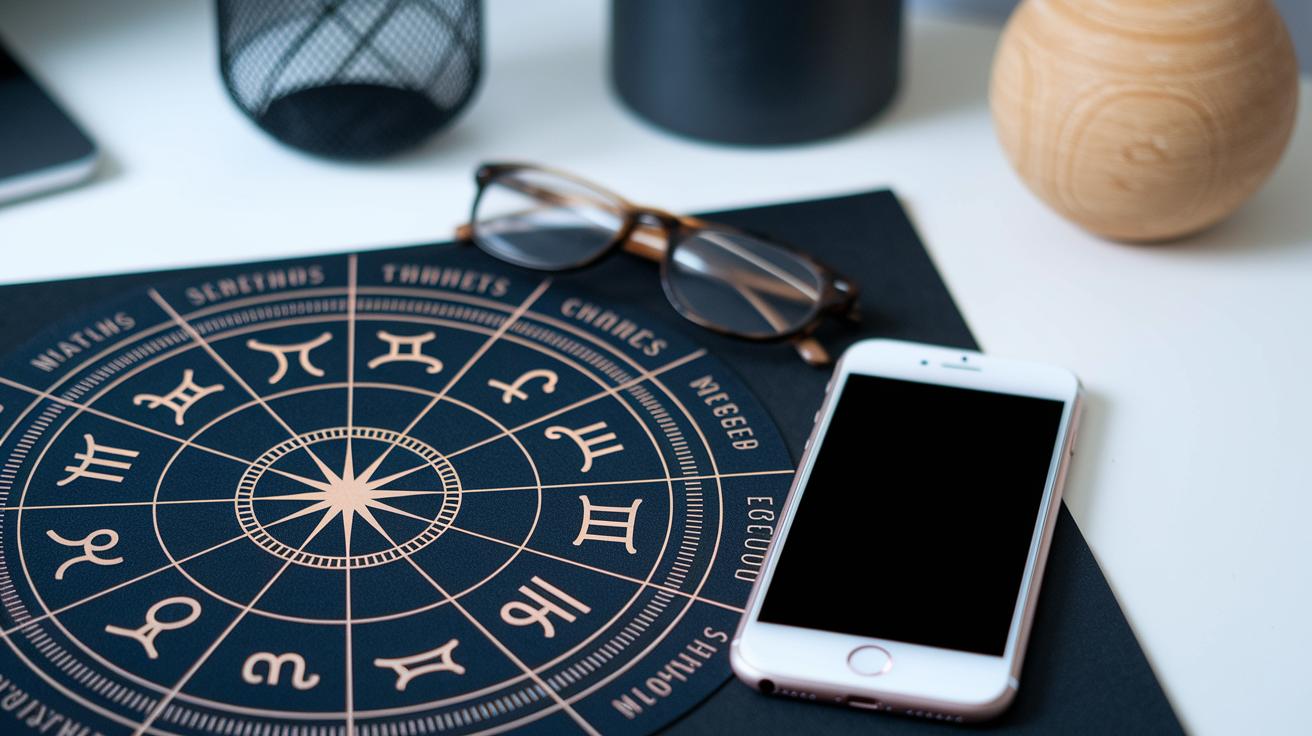
Planetary symbolism helps us see how the powerful energies of the cosmos work with zodiac signs and houses. Every planet takes charge of certain signs and hints at different parts of our lives. For example, Venus adds a touch of love and balance to Libra, while Mars brings energy and drive to Aries. Your birth chart, a sort of celestial roadmap, can show you where you might grow in your relationships, work, and everyday life.
When a planet visits a zodiac sign, its influence shows up for a specific time. The Sun spends about a month in one sign, while the Moon lights up a sign for only a couple of days. Mercury usually hangs around for 3 to 4 weeks, Venus for 4 to 5 weeks, and Mars for about 6 to 7 weeks. Jupiter is around for 12 to 13 months, Saturn for 2 to 3 years, Uranus for roughly 7 years, Neptune for 10 to 12 years, and Pluto works its magic for around 12 to 15 years.
The spot where a planet sits in your birth chart tells you where its energy might show up. For instance, if Saturn lands in the 10th house, it might shine a light on lessons about your career and long-term goals. On the flip side, if Mercury is well placed, it could boost your communication skills or ignite your curiosity for learning.
Think of your birth chart as your personal guide in the cosmos. It connects zodiac signs and planets to different areas of your life, showing how these starry energies mix to shape who you are, the challenges you face, and the ways you can grow.
Practical Applications of Planetary Symbolism in Astrology: Chart Interpretation

Planetary symbolism isn't just abstract theory. It offers clear messages to help you make everyday decisions. Think of daily horoscopes, monthly forecasts, and yearly readings as gentle guides that show you what might happen next. For example, a Saturn return might point to a period of hard lessons and changes, while a Jupiter cycle could hint at growth and a burst of optimism. These moments are more than just calendar dates, they mark times when life feels naturally aligned with your true self.
Transit analysis is all about comparing where the planets are now with where they were when you were born. Imagine Pluto slowly moving through your personal planets; that could be a nudge for some deep inner changes. And when Mercury, Venus, and Mars are active, they might stir your mood and spark decisions in the present moment.
Simple tools like astrology planners, affirmation decks, and guidebooks can help you turn these cosmic cues into everyday routines. You can think of your birth chart as a roadmap, with each planetary symbol pointing you in the right direction at the right moment. Embracing these energies can make daily choices feel more connected with the gentle rhythm of the stars.
Visualizing Planetary Symbolism in Astrology: Reference Tables and Graphics

Have you ever wished for a simple way to peek into the secrets of the stars? The printable Zodiac Cheat Sheet is just that, a quick look at celestial language. It shows you symbols, keywords, ruling planets, elements, and sign traits in a clear layout. Think of it as a little snapshot that instantly ties each zodiac sign to its guiding planet.
Infographics bring these ideas to life with color and motion. They help you see the planets' energy as it moves through our lives. Picture a bright chart that shifts along with the planets, revealing how their energies mix and match in a flowing dance.
There’s also a 44-card astrology oracle deck called Claves Astrologicae. Each card shares a brief tale about a planet’s energy and hints at its role in your personal growth. This easy art form turns the mystery of moving planets into small, clear insights.
Chart visualizers and symbol-mapping tools add even more clarity. They show details like aspects and house placements in your birth chart, making it simple to understand how each planet shares its influence. Consider this quick table for a clear view:
| Tool | Description |
|---|---|
| Zodiac Cheat Sheet | Symbols, keywords, and sign traits |
| Infographics | Visual snapshots of planetary energy |
| Oracle Deck | Cards telling planetary stories |
These tools are like friendly guides that help you feel the heartbeat of the cosmos in your everyday life.
Final Words
In the action, we saw how each planet appears as a character in your chart, highlighting core ideas and ancient myths.
We touched on how these symbols influence zodiac signs and direct daily choices.
We also shared practical tools, like charts and visual aids, that turn cosmic clues into clear, everyday insights.
Planetary symbolism in astrology offers us a gentle guide to feeling aligned and making empowered decisions.
Every step shines with the possibility of clear guidance and positive shifts ahead.
FAQ
What do planet symbols in astrology signify?
Planet symbols in astrology signify distinct energies and traits that influence your personality and life events, serving as key markers in a birth chart.
What are the common astrology symbols and their meanings?
Astrology symbols include simple glyphs for the Sun, Moon, and planets like Mercury, Venus, and Mars, each representing qualities such as communication, love, and assertiveness.
What do Venus and Mars symbols in astrology represent?
The Venus symbol represents love and beauty, while the Mars symbol stands for drive and courage, offering insights into how you approach relationships and challenges.
What does each planet symbolize in astrology?
In astrology, each planet symbolizes unique energies—Mercury for communication, Mars for action, Jupiter for growth—all mapping out aspects of your personality and life opportunities.
How are zodiac signs connected to planetary symbolism?
Zodiac signs connect to planetary symbolism when planets act as rulers, like Venus governing Libra, influencing the traits and energies that shine through your star sign.
What role do planets play in an astrology chart?
In an astrology chart, planets act as central players, with each position revealing influences on personality, relationships, and key life events, much like characters in your story.
How do planets relate to elements in astrology?
Planets relate to elements like fire, water, air, and earth by helping assign energies to zodiac signs, guiding how different traits naturally express in everyday life.
What are the eight planets and their meanings in astrology?
The eight planets include the Sun, Moon, Mercury, Venus, Mars, Jupiter, Saturn, and Uranus, each radiating specific energies from communication to growth that define personal traits.
What are the nine planets and their characteristics in astrology?
The nine planets extend the eight with Pluto, whose deep transformative energy offers additional insights, creating a fuller picture of both personal and generational influences.
What are the 12 planets in astrology?
The term “12 planets” often refers to key celestial bodies and calculated points in a chart, each contributing symbolic energy that outlines various facets of personality and life experiences.