
Have you ever wondered if the planets dance around in a gentle rhythm? In our solar system, planetary resonance reveals how the planets move in repeating, steady steps. Think of Mercury ticking like a small clock as it circles the Sun, or picture Neptune and Pluto gliding slowly, much like a calm waltz. Only about five percent of the systems we've studied show these clear patterns. These rhythmic motions help keep the planets in tune and create a sky that feels balanced and peaceful. Ready to explore how simple counts in space can spark wonder and uncover the secret order of the stars?
Planetary Resonance: Cosmic Motion Sparks Curiosity
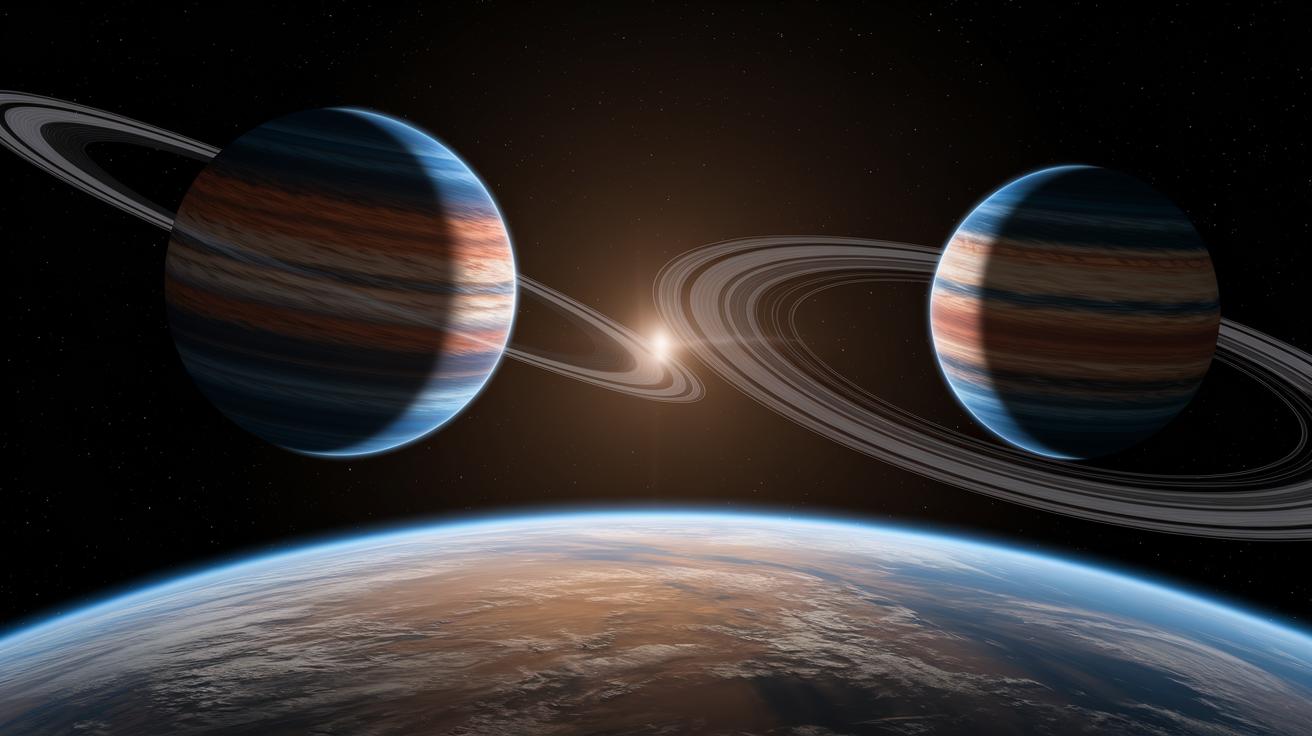
Planetary resonance happens when two space objects mix their orbits using simple number steps. In other words, when one body circles a star a set number of times, another follows a different count, making their paths repeat over and over. Imagine the way a clock’s hands move into familiar positions as time goes by.
Take Mercury, for example. It spins three times for every two trips around the Sun, like a soothing musical beat that keeps on repeating. Neptune and Pluto do something similar. Pluto circles the Sun twice while Neptune makes three trips, just like two dancers keeping a simple, steady rhythm together.
Only about 5% of all studied planetary systems display these neat, counting patterns. Gentle gravitational pulls, much like the force that keeps the Moon locked in a steady dance with Earth, help create these special cosmic alignments. These forces guide planets and moons into a peaceful, long-lasting rhythm.
Solar System Dynamics and Examples of Planetary Resonance
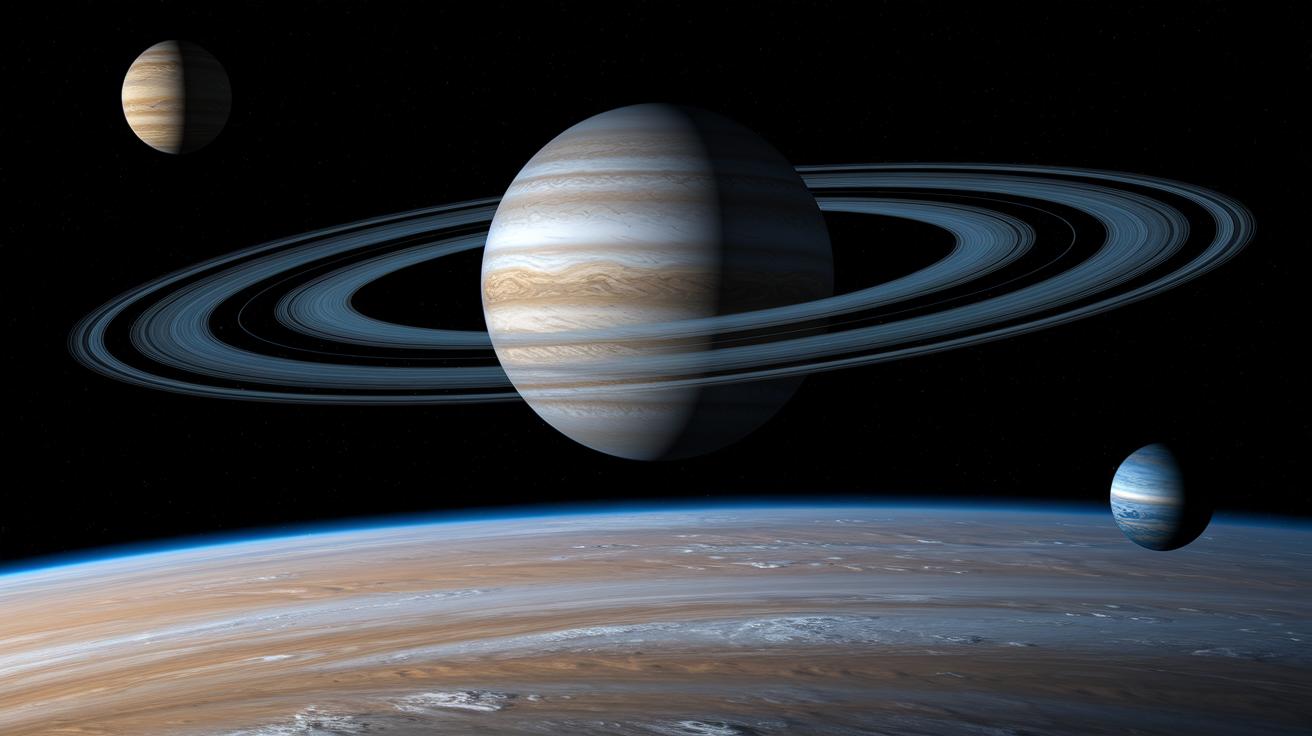
Mean-motion coupling is like a friendly gravitational handshake between orbiting bodies. It gently aligns the dance of planets and moons by setting up simple, repeating patterns. In our Solar System, these steady rhythms help shape the paths of both planets and moons, much like a natural, cosmic beat.
Here are some cool examples:
- Jupiter’s Galilean moons follow a 4:2:1 pattern.
- Pluto and Neptune share a 2:3 orbital rhythm.
- Mercury and the Sun are locked in a 3:2 spin-orbit dance.
- Earth and the Moon move in a 1:1 tidal lock.
These resonant interactions, whether it’s Jupiter’s moons or the orbital duet of Pluto and Neptune, create a calm and stable cosmic stage. They smooth out each celestial body's path and keep them from running into each other, showcasing the elegant balance that guides our Solar System’s celestial dance.
Mathematical Foundations of Planetary Resonance

When two objects in space follow a clear, simple rhythm, we call it resonance. This happens when their orbits stick to a steady number ratio. To put it plainly, the equation n₁/n₂ = p/q means one body completes p turns while the other wraps up q orbits. It’s like listening to a reliable beat where whole numbers keep everything in perfect balance. Even distant planets can groove to this cosmic tune. For example, Mercury follows a neat 3:2 beat with its spin and orbit, and Neptune and Pluto share a similar 2:3 rhythm. In these systems, gravity plays the role of a kind conductor, arranging the movements into a smooth, enduring pattern.
3:2 Spin-Orbit Resonance Case
In Mercury’s 3:2 resonance, the planet spins three times for every two orbits around the Sun. This p:q ratio shows its steady, predictable rhythm, a kind of celestial heartbeat that’s both calm and reliable. There are tiny shifts, known as libration, that give us a glimpse into subtle adjustments happening around the stable center. These little oscillations help keep the whole mechanism balanced over the long run, even with gravity continuously nudging the numbers.
Resonant Chain Formation in Exoplanetary Systems

Exoplanets often join together in a graceful cosmic dance. Even distant worlds seem to move in sync, as if following a familiar rhythm. Gravity nudges these planets into neat patterns with whole-number ratios, much like the steps of a carefully choreographed dance. Take the Gliese 876 system, for example. Three planets here follow a 4:2:1 ratio, creating a harmony that echoes patterns found in our own cosmic backyard.
Next, we dive deeper into full chains of resonances found in systems like Kepler-223 and TOI-178. In Kepler-223, the planets are connected by an 8:6:4:3 ratio, a tight and interwoven gravitational sequence. Meanwhile, TOI-178 boasts an even more intricate 18:9:6:4:3 setup that scientists have even turned into sound so they can literally hear its cosmic beat. Studying these patterns shows us how gravity gently arranges orbits, offering us a clear look at the stable, yet dynamic, nature of our universe.
| Exoplanet System | Period Ratio | Orbital Periods |
|---|---|---|
| Gliese 876 | 4:2:1 | Multiple, sequential periods |
| Kepler-223 | 8:6:4:3 | Interconnected cycle durations |
| TOI-178 | 18:9:6:4:3 | Varied, yet harmonized timings |
Numerical Simulation Techniques for Celestial Interaction Modeling
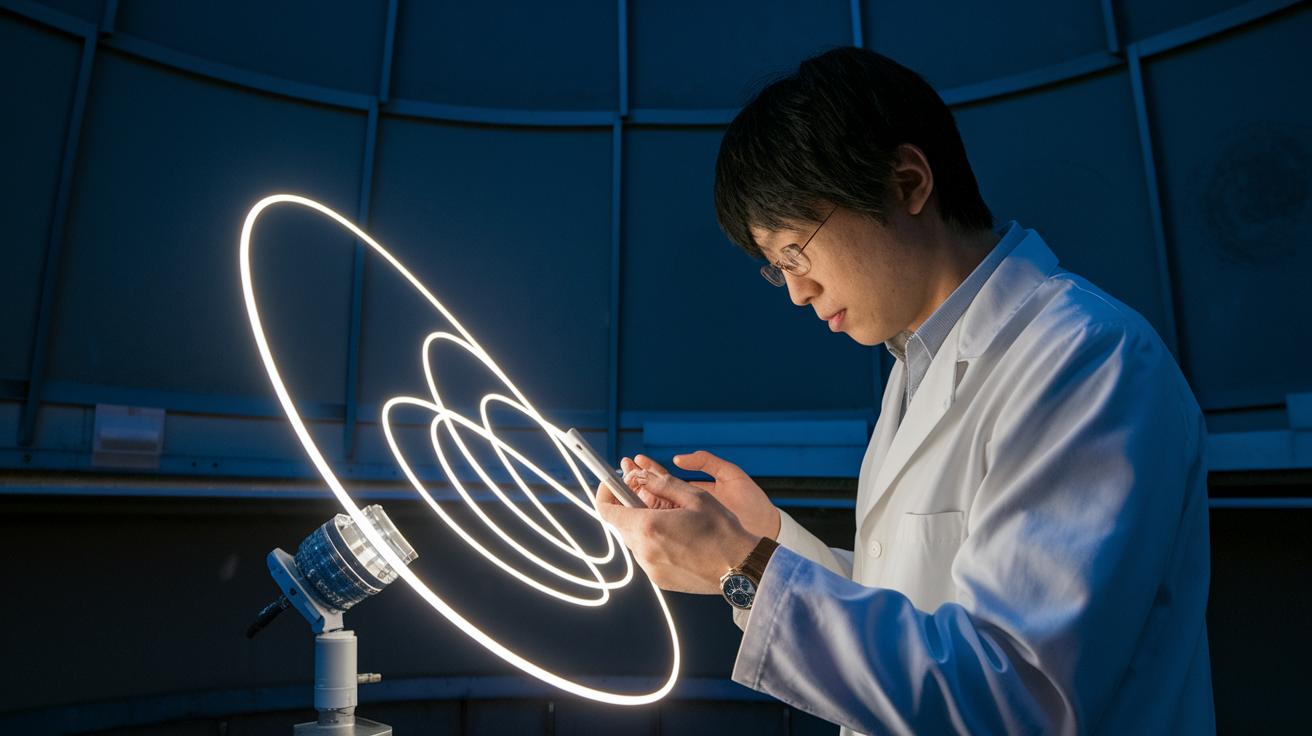
When we dive into the mysteries of space, we use smart tools like N-body integrators and symplectic methods that work much like a careful calculator for the cosmos. They follow the gentle pull of gravity on countless planets and moons over millions of years. It’s like watching a quiet, endless dance where each step reveals a bit more about the steady rhythms of the universe.
- High-precision N-body integration
- Symplectic mapping
- Secular perturbation analysis
- Resonant capture modeling
Imagine these techniques as a way to capture the soft glow of gravitational forces that keep our cosmic partners in step. Researchers also lean on a method called secular perturbation theory to spot those slow, lasting changes in how planets move. This approach shows us the smooth, balanced patterns that form over time. Tools like REBOUND and MERCURY help scientists explore how groups of planets nudge their orbits when caught in a gentle cosmic embrace and how shifts in their paths occur under persistent gravitational pulls. Ultimately, these simulation methods let us connect detailed data to the calm, steady motion we see in the starry skies.
Effects of Planetary Resonance on Orbital Stability and Evolution
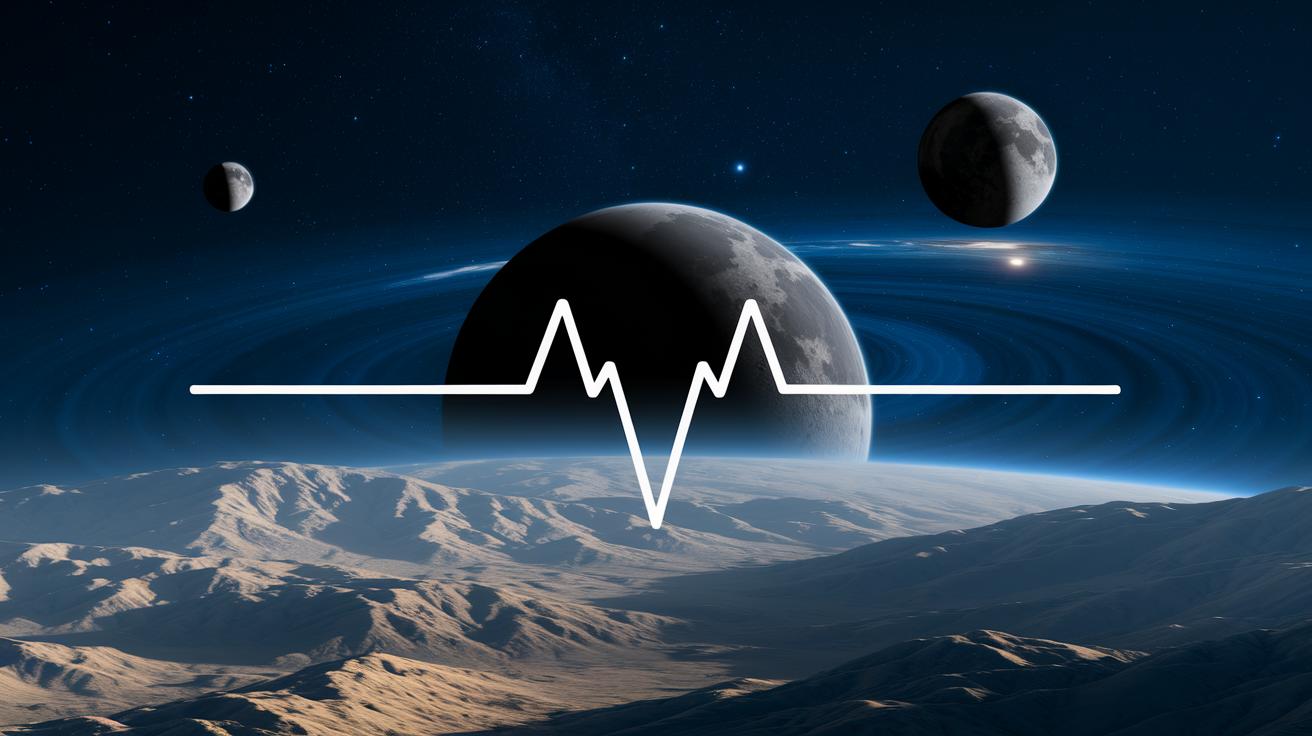
Resonant orbits work like a steady heartbeat in our solar system. Think of them as a gentle, predictable rhythm that keeps groups like Jupiter’s moons in a safe, smooth dance. Scientists have learned from models of how these celestial bodies interact that the constant pull of gravity acts like a guard against chaos. They also notice tiny shifts that help preserve this balance, ensuring a smooth, regular cycle that keeps small gravitational quirks at bay.
At the same time, when orbital paths start to overlap, things get a bit more complex. A slight difference in speed can mix up the energy exchange between the celestial bodies, nudging them into new, sometimes more stretched-out paths. This shift might even create gaps, much like those seen in asteroid belts. Research shows that while resonance can bring stability, it can also steer objects into gradual migrations or even spark unpredictable changes in the grand, ever-moving dance of our planetary neighborhood.
Final Words
In the action, we explored planetary resonance fundamentals, examples from our Solar System, and the mathematical framework behind these amazing cosmic patterns.
We touched on resonance cases like Mercury’s 3:2 spin-orbit state and the unique chains seen in exoplanet systems. The discussion also shed light on simulation techniques and the effects on orbital stability. It’s uplifting to see how planetary resonance guides us toward a more intuitive view of our cosmic surroundings.
FAQ
What is planetary resonance?
The concept of planetary resonance means orbital periods of two bodies form simple whole-number ratios, such as 3:2 or 2:3. This alignment stabilizes their movements through regular gravitational interactions.
What are examples of planetary resonance in our Solar System?
Examples include Mercury’s 3:2 spin-orbit resonance, Neptune and Pluto’s 2:3 orbital resonance, and Jupiter’s moons Io, Europa, and Ganymede locking into a 4:2:1 resonance that maintains their stable orbits.
What does gravitational resonance mean in celestial terms?
Gravitational resonance describes how orbital periods match in simple integer ratios, causing bodies to exert regular pulls on one another. This effect, seen in systems like the Earth–Moon tidal lock, keeps orbits balanced.
What does it mean that Pluto is in a 2:3 resonance orbit with Neptune?
A 2:3 resonance means Pluto completes two orbits around the Sun for every three by Neptune. This ratio prevents dangerous encounters and ensures both bodies maintain safe, stable paths.
What is orbital resonance in the solar system context?
Orbital resonance in the solar system refers to when planets or moons settle into synchronized orbits with simple ratios, which helps manage long-term interactions and preserves the stability of their paths around the Sun.
How does orbital resonance manifest among Jupiter’s moons?
Jupiter’s moons display orbital resonance by maintaining a 4:2:1 ratio among Io, Europa, and Ganymede. This ordered pattern ensures that each moon’s orbit influences the others, keeping the system stable over time.
What does an orbital resonance ratio like 1:2 represent?
An orbital resonance ratio of 1:2 indicates one body completes a full orbit while the other completes two. This simple ratio influences their gravitational interaction and helps sustain a harmonious orbital structure.
What are the four types of planetary systems?
Planetary systems can be broadly categorized into non-resonant systems, resonant chain systems, compact multi-planet systems, and widely spaced systems, each defined by distinct orbital alignments and stability patterns.
How do resources like PDFs and Wikipedia entries help in studying planetary resonance?
Such resources provide detailed explanations, diagrams, and mathematical frameworks on planetary resonance. They offer accessible insights into theory and examples that can deepen one’s understanding of celestial mechanics.
How do bodies like Pluto, Jupiter, and Mercury participate in resonance phenomena?
Pluto, Jupiter, and Mercury show resonance by following clear orbital ratios—whether it’s Pluto’s 2:3 with Neptune, Jupiter’s moons in 4:2:1, or Mercury’s 3:2 spin-orbit state—each demonstrating gravity’s role in synchronizing celestial motions.