
Have you ever noticed a planet glowing extra bright? It's a neat trick called a planetary opposition. This happens when a planet, the Sun, and Earth line up just right so the planet shows its full, glowing face. It’s like the planet is taking center stage, lighting up the sky.
This rare chance to see our cosmic neighbor up close sparks wonder in both stargazers and curious minds alike. Today, let's explore the simple magic behind this alignment and find out why these moments keep our fascination with the universe alive.
Understanding Planetary Opposition: Definition and Significance

In astronomy, planetary opposition happens when a planet lines up directly across from the Sun with Earth in the middle, forming a neat 180° angle. This means we see the planet's fully lit side, just like watching a performer bathed in bright stage lights.
Think about the Full Moon. Even though it isn’t in a perfect opposition, its completely lit face shows us what full illumination is meant to be. Planets like Mars, Jupiter, Saturn, Uranus, and Neptune also shine brighter and look larger during opposition because they edge closer to Earth. It's like spotting a familiar object up close and noticing all its amazing details.
Opposition events open up a wonderful window for both casual stargazers and scientific observers. These celestial bodies start their journey at sunset, climb to their highest point around midnight, and disappear by dawn. This long viewing period lets you truly savor the beauty of the night sky, sparking curiosity about the vast and magical universe above us.
Orbital Mechanics of Planetary Opposition

When Earth, the Sun, and another planet line up in one neat row, a special cosmic event happens. Earth sits right in the middle, creating a 180-degree angle that shows the planet's full, bright side. It’s like a spotlight on the planet, letting us see it in all its glory, just like catching up with a dear friend.
Superior vs. Inferior Opposition
Only planets that orbit farther from the Sun than Earth, known as superior planets, can line up this way. For example, Mars reaches opposition roughly every 27 months because its movement relative to Earth gives us this rare view. But planets like Mercury and Venus, which are closer to the Sun, never get a full spotlight since they always stay near our star. This means they can never show us all their illuminated beauty.
Role of Elongation Angles
Elongation angles work like a cosmic ruler, measuring the space between the Sun, Earth, and a planet. When the angle hits 180 degrees, it confirms that the planet is in opposition, showing it off at its brightest. This simple measurement helps us know exactly when to look up, just like a reliable clock timing the best moments for celestial shows.
These orbital patterns help astronomers predict when oppositions will occur, making it easier for both passionate stargazers and professional observers to plan their viewing nights under the stars.
Observational Tips for Planetary Opposition

When a planet is in opposition, it's the perfect chance to soak up the night sky. Imagine the planet rising as the Sun sets, climbing high around midnight, and then slowly fading away by dawn. This long window gives you plenty of time to marvel at Saturn’s dazzling show on September 21, 2025 or maybe even spot Neptune on September 23, 2025, especially if you have a trusty pair of binoculars or a small telescope. The gentle glow of the night and the quiet dark of far-off places truly make these moments shine.
- Double-check the opposition date and time with your favorite astronomy calendar.
- Pick a spot far from city lights where the sky feels deep and cozy.
- Decide whether a simple look-up with your eyes, your binoculars, or a telescope is right for you.
- Use star charts or mobile apps to easily track down the planet.
- Plan your stargazing around midnight when the planet is at its peak.
Before you head out, take a moment to check the cloud cover, local weather, and even the moon phase. These little details help ensure nothing interferes with your amazing night of stargazing, letting you fully enjoy the clear, gentle glow of a planet in opposition.
2025 Planetary Opposition Schedule and Visibility

Planning a magical night under the stars? It’s a good idea to check your local time and weather before you head out. In 2025, some exciting planetary oppositions will light up the sky, offering a brilliant display. Mark your calendar and keep an eye on the clock since even a small difference in time zones or a change in the weather might affect your stargazing experience.
| Planet | Date & Time (GMT) | Magnitude | Visibility Note |
|---|---|---|---|
| Saturn | September 21, 2025 at 05:10 | 0.6–0.7 | Visible in Pisces; can be seen with the naked eye or binoculars |
| Neptune | September 23, 2025 at 12:45 | 7.8 | Needs optical aid |
| Uranus | November 21, 2025 at 12:17 | 5.6 | Best viewed under dark skies; binoculars or a telescope are recommended |
| Dwarf planet Ceres | October 2, 2025 | N/A | Can be seen with 8×40 binoculars |
Remember to adjust these times for your local zone and keep an eye on the weather to enjoy the best view possible.
Contrasting Planetary Opposition with Conjunction
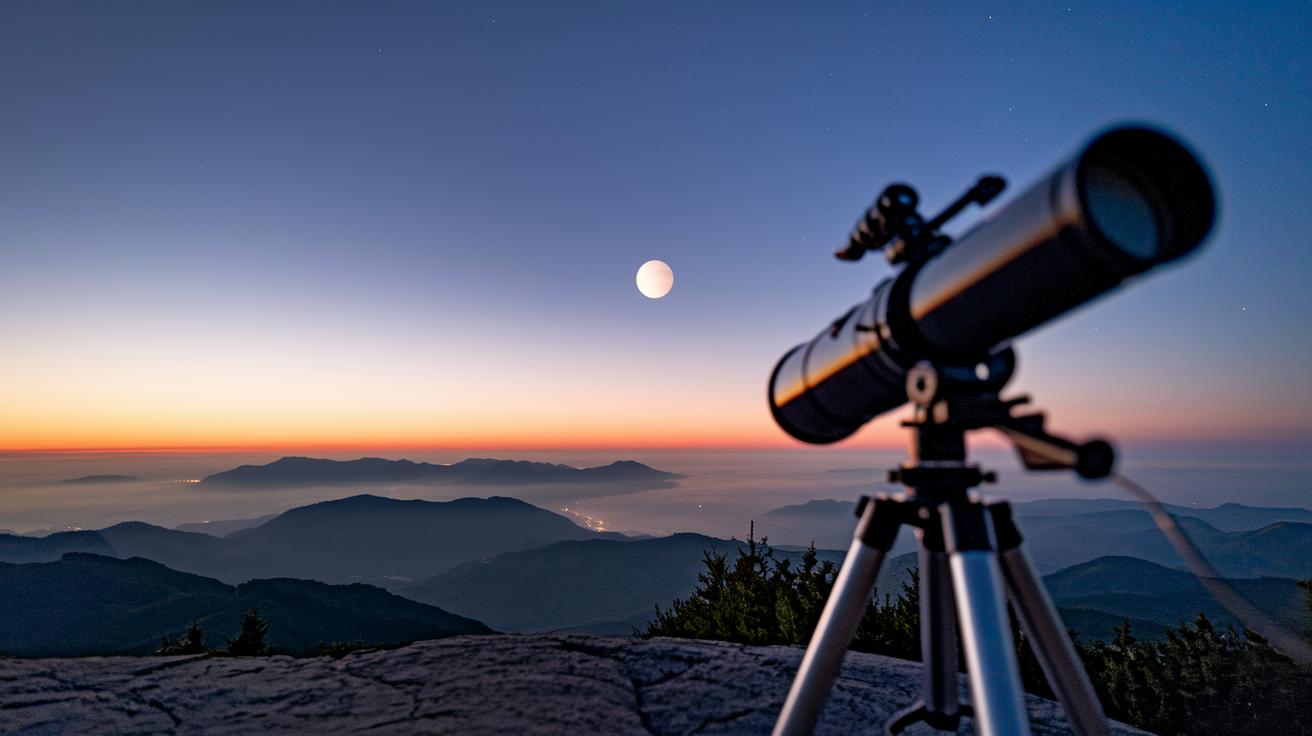
When a planet is in conjunction, it lines up very close to the Sun. This near encounter means the planet gets lost in the brilliant glow of the Sun. The Sun’s intense light makes it almost impossible to see any details of the planet. Sometimes you might catch a faint outline, but it is quickly washed away by the brightness.
On the other hand, during opposition, the planet sits right across the Sun with Earth in between. This setup creates a perfect 180-degree angle. With so much space between the planet and the Sun, the planet lights up completely and looks much closer to us. Its shining face is easy to see, a sharp contrast to the dim, hidden look during conjunction.
This natural difference makes opposition the favorite time for stargazers and professional astronomers alike. For many, it means a clear, brilliant view of a fully lit planet. As it rises when the sun sets, peaks at midnight, and sets again by dawn, the planet shows off its true beauty. While most planets go through both phases, it is only during opposition that their full splendor truly comes to life, a moment meant for deep exploration and awe.
Opposition of Minor Solar System Bodies
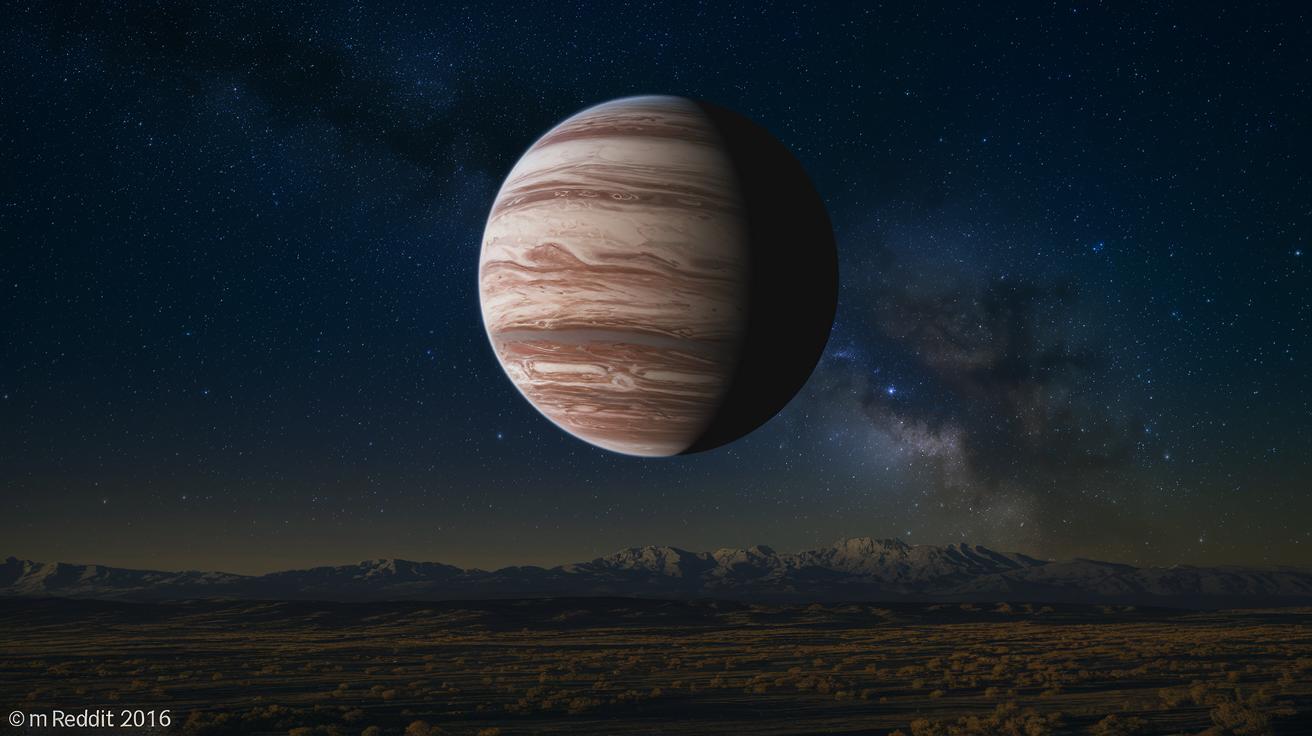
Asteroids and dwarf planets like Ceres show their fully lit side to Earth when they reach opposition. This means they shine brilliantly and seem a bit closer than usual. It's as if the stars are winking at you on a calm, clear night.
During opposition, these little celestial bodies are at their brightest because they are as near to Earth as they get. This glow can last for a few weeks, giving skywatchers a lovely window to take in the scene. Even though these objects are small, seeing them at their finest feels like catching a rare cosmic treat.
When you plan to observe these events, having the right gear really helps. For example, Ceres makes its best appearance on October 2 and looks great with 8×40 binoculars. Brighter asteroids with magnitudes under 10 might need 10×50 binoculars or even larger to show all their details. And yes, a clear, dark sky makes everything even more special, letting you soak in the gentle shimmer of these wonderful bodies during opposition.
Imaging Resources for Planetary Oppositions
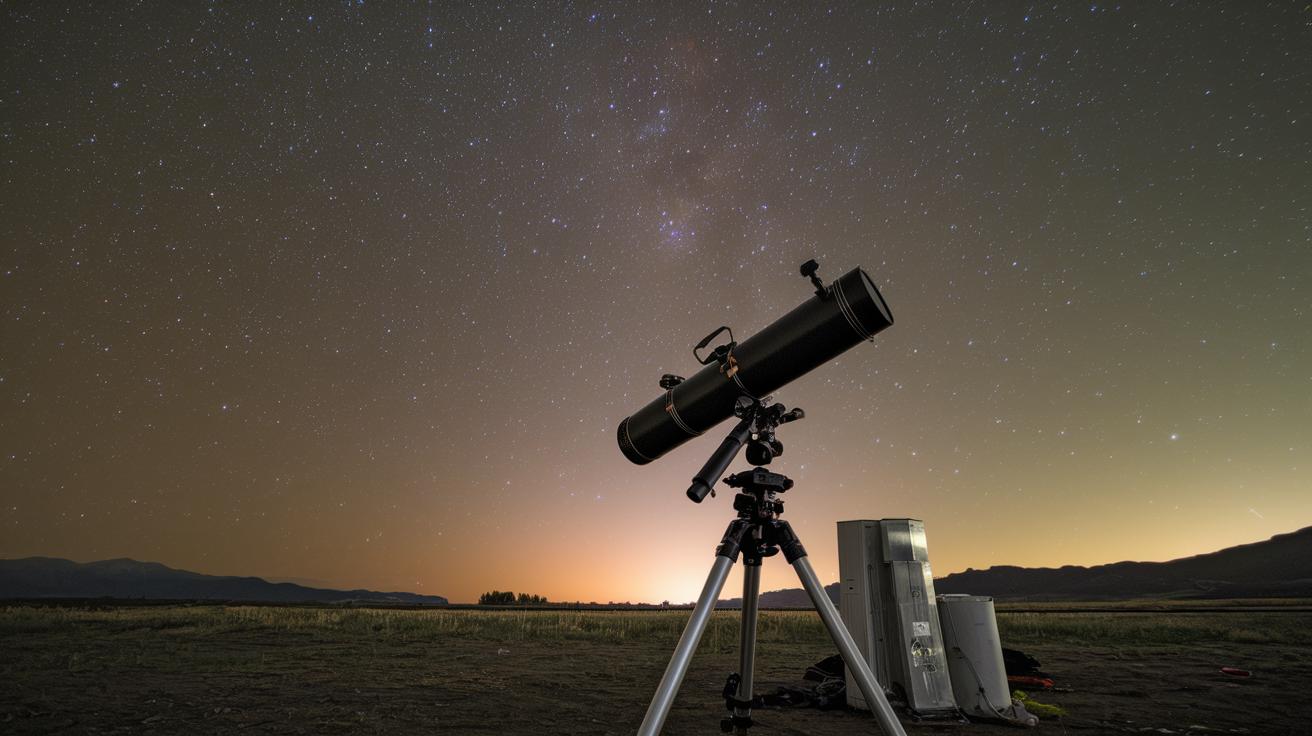
When a planet shines at its brightest during opposition, choosing the right gear is a must. A sturdy DSLR or a telescope with a camera usually does the trick. For far-off planets like Neptune or Uranus, long exposure shots are needed. That means you’ll want a tracking mount so your camera can follow the planet’s slow drift. A steady setup helps capture clear images, even when focusing on tiny details like the moons.
Astrophotography tricks can really make your shots pop. Stacking several frames brings out faint details and gives you a richer picture. Time-lapse sequences are another cool method. They capture gentle shifts over the weeks-long opposition period, almost like watching a cosmic dance. Staying on point with focus and exposure during these sessions is super important. It turns a series of photos into a flowing story of the night sky.
Digital tools and mobile planetarium apps add a big boost to your process. Apps like Stellarium and other star trackers help you zero in on targets and tweak your timing. They even simulate the precise movements of the planets during opposition. Trying these tools out before your session can make you feel ready and confident to catch every cosmic moment.
Be sure to give your equipment a test run before the key 2025 opposition dates. That way, every twinkling detail of the cosmos is perfectly preserved.
Final Words
In the action, this post highlighted how a 180° Earth–planet alignment shines a light on our sky and opened up a clear view of full illumination, orbital dynamics, and observation tips.
We broke down key elements, from superior planet views to comparing oppositional alignments and conjunction challenges. Everything ties back to providing practical, everyday tips for spotting those cosmic events.
Keep your focus sharp for the next planetary opposition and enjoy the clear, inspiring skies ahead.
FAQ
Q: What is planetary opposition?
A: Planetary opposition means a planet lines up directly opposite the Sun from Earth at a 180° angle, exposing its fully lit side. This makes the planet appear very bright and larger in the night sky.
Q: What are the 2025 planetary opposition dates?
A: In 2025, key oppositions include Saturn on September 21, Neptune on September 23, Uranus on November 21, and the dwarf planet Ceres on October 2, offering prime viewing opportunities.
Q: What is the difference between planetary opposition and conjunction?
A: Planetary opposition occurs when a planet is 180° from the Sun and closest to Earth, while conjunction happens when a planet aligns near the Sun, making it harder to see due to its proximity to the Sun’s glare.
Q: Does planetary opposition have an astrological meaning?
A: Planetary opposition in astrology is seen as a time when opposing forces come into play, suggesting moments that spark clarity and dynamic balance in one’s personal chart.
Q: Where can I find a definition of planetary opposition?
A: A definition of planetary opposition is available on Wikipedia, which explains it as the alignment where the Earth sits between the Sun and the planet, revealing the fully illuminated side.
Q: What does planetary opposition today indicate for stargazing?
A: When a planet is in opposition today, it means it is at its peak brightness with full illumination, making it an ideal time for stargazers to observe the planet clearly in the night sky.
Q: What planet is coming close to Earth during opposition?
A: At opposition, superior planets come closest to Earth, enhancing their brightness and apparent size; often, Mars is a standout example during its opposition phase.
Q: What is the rarest planetary conjunction?
A: The rarest planetary conjunction is an uncommon event when two or more planets appear very close together, forming a striking alignment that captivates observers with its unusual tight grouping.