
Ever wonder why planets seem so different from one another? Each planet has its own special traits like size, weight, and how quickly it orbits the sun. Think of Mercury dancing around fast while Jupiter shows off its vast, grand scale. Every little detail is like a clue, helping us piece together the story of how planets are born, grow, and maybe even offer a hint of life.
Planetary Characteristics: Stellar Science at Its Finest

Studying a planet’s traits lets us see the amazing variety in our solar system. We look at simple things like size, weight, and how packed a planet is to learn what it's made of inside. For example, rocky planets such as Mercury, Venus, Earth, and Mars have solid, metal-rich cores. In contrast, gas giants like Jupiter and Saturn are made mostly of light gases like hydrogen and helium. These clues help us see how planets come to be and how they change with time.
Then there are the details about a planet’s air and the way it moves around the Sun. A planet’s atmosphere might work like a natural greenhouse, trapping heat, or it may let things stay cool. And by watching how fast or slow a planet travels around the Sun – like Mercury zipping by in 88 days or Neptune taking 165 years – we get hints about its seasons and the energy it soaks up. Even the distance a planet keeps from the Sun can affect its weather and temperature.
Here are the main areas we look into:
- Physical Properties
- Atmospheric and Chemical Details
- Orbital and Rotational Behavior
Putting these details together is like filling in a cosmic puzzle. Each piece can hint at whether a planet might support life. For instance, a planet with just the right mix of gases and a balanced orbit might just hold the conditions needed for liquid water. It’s a simple checklist that turns numbers and data into clues about life beyond our Earth.
Mass and Density Analysis in Planetary Characteristics

Mass and density are like a sneak peek into a planet's secret. Mass is simply the total amount of stuff a planet contains. Density, on the other hand, shows us how tightly that stuff is squeezed together. Think about a small planet made of heavy materials – it can be very dense even if it does not weigh much overall.
Our rocky neighbors, like Mercury, Venus, Earth, and Mars, are built from metals and rocks. This makes them pretty heavy and compact, with densities above 3.9 g/cm³. In contrast, giants like Jupiter and Saturn are mostly filled with light gases such as hydrogen and helium. Jupiter, for example, weighs over 300 times as much as Earth.
These differences in mass and density matter a lot. A planet with a lot of mass has stronger gravity, which helps it hold on to its atmosphere and traps more heat inside. Smaller planets often lose light gases quickly and cool down faster. All these factors mix together to create the unique feel and environment of each planet.
Size and Scale of Planetary Characteristics
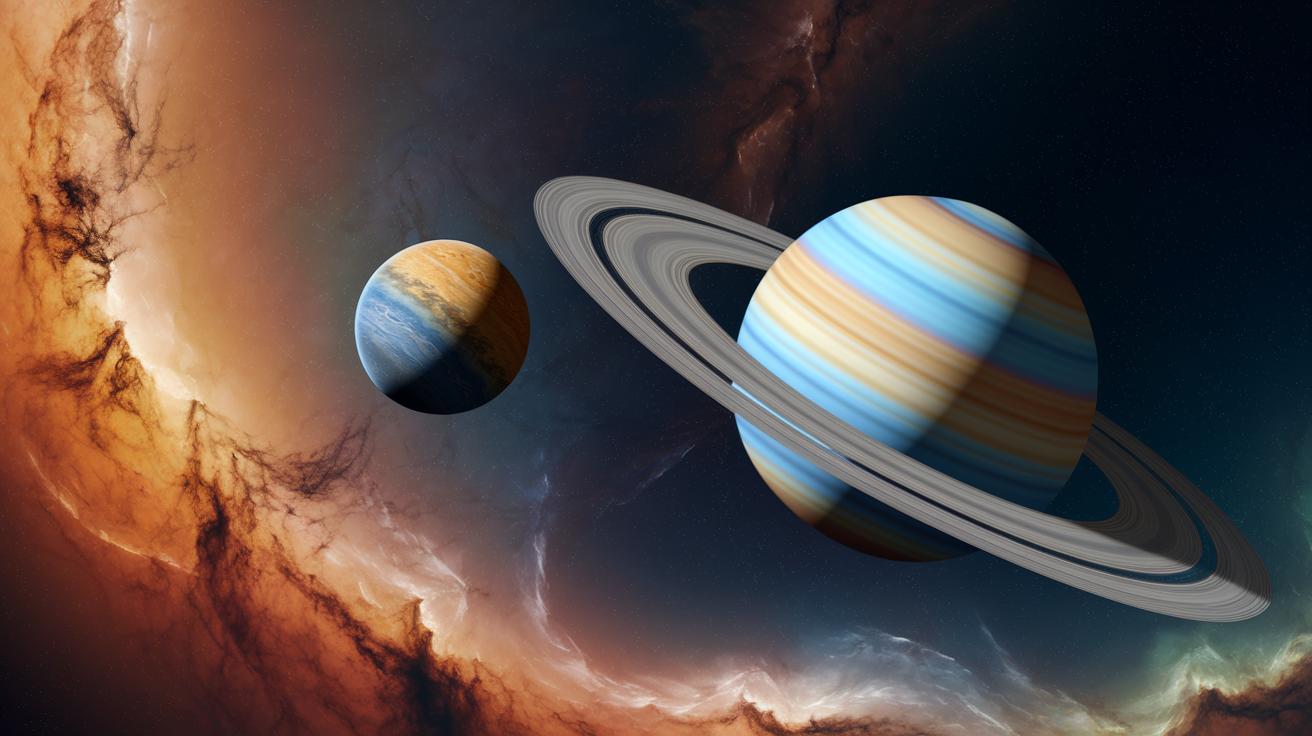
Our solar system is like a treasure trove of different sizes. Mercury is small, measuring under 5,000 km across, while its neighbors such as Venus, Earth, and Mars come in at roughly 12,100 km, 12,742 km, and 6,779 km respectively. Jupiter stands out with a diameter that tops 140,000 km, and Saturn isn’t far behind at about 120,000 km. Plus, Saturn’s rings give it an even grander look.
These size differences tell us a lot about what each planet is made of and the processes that formed them. Think of it like pieces in a puzzle where each piece’s size hints at its history and structure.
Also, some planets seem even bigger than they really are because of their thick, swirling clouds of gas. For example, gas giants have layers of hydrogen and helium that can boost their apparent size by 10 to 20% over just their solid parts. This “bloating” can change not only how we measure them but also affects their weather and atmospheric behavior.
It’s amazing how just looking at their sizes and layers can help us understand the grand story of our solar system’s evolution.
Orbital Dynamics in Planetary Characteristics: Distance, Eccentricity, Speed, and Inclination
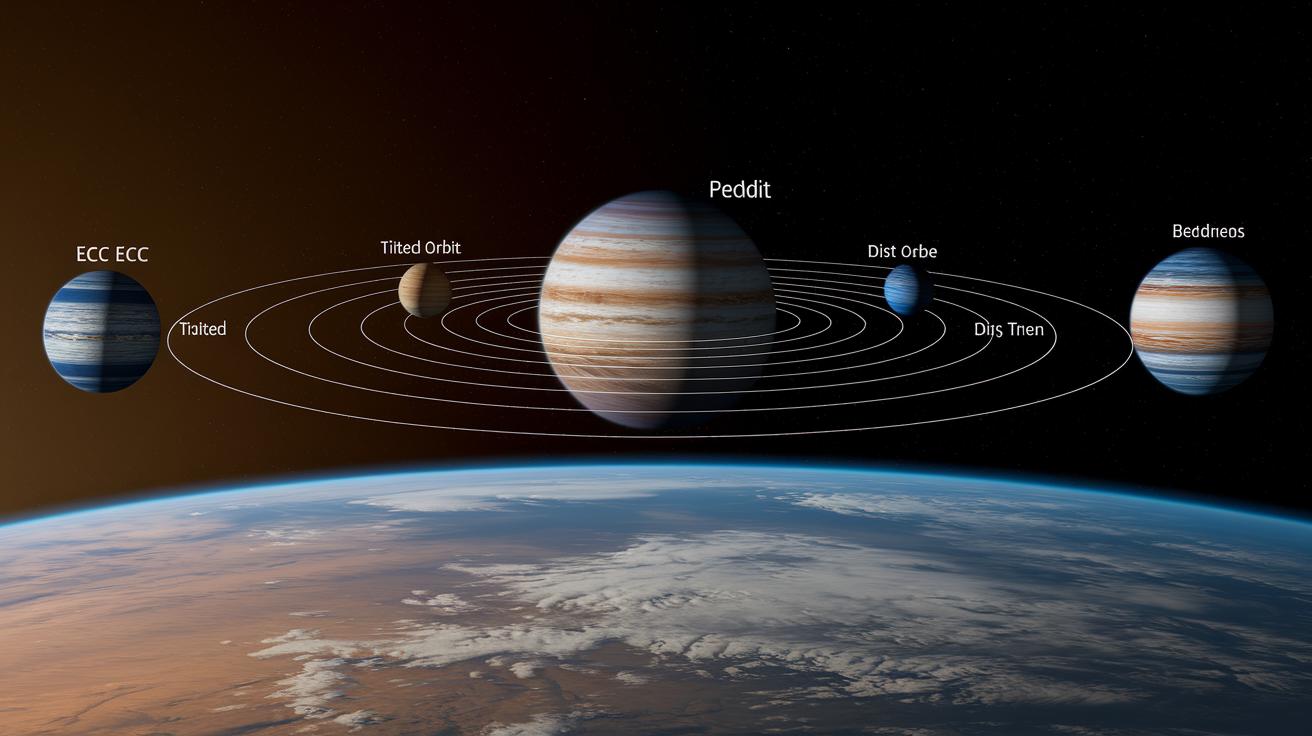
Our solar system is like a dance where each planet moves in its own rhythm. The way they orbit affects their weather and even the changes in seasons. When you look at the distance from the Sun, the shape of their orbit, and the angle at which they travel, you start to see the secrets behind their climates.
Distance and Orbital Period
A planet’s distance from the Sun helps decide how warm it gets. Think of it like your hands near a fire, the closer you are, the cozier you feel. For example, Mercury zips around the Sun in just 88 days, while Neptune takes a leisurely 165 years to complete its orbit. Kepler’s third law shows us that the distance in astronomical units links directly to how fast a planet travels and how long its journey takes.
Eccentricity and Seasonal Variability
Eccentricity describes how stretched or oval a planet’s orbit is. If a planet’s path is more stretched out, like Mercury’s with an eccentricity of 0.205, it can lead to big temperature jumps between its closest and farthest points from the Sun. On the other hand, a nearly circular orbit makes for a steadier climate with milder seasonal changes.
Inclination and Climate Effects
The tilt of a planet’s orbit also plays an important role. Even a small tilt can change how sunlight spreads across its surface, giving some areas longer days or longer nights. This effect can shape the climate in surprising ways.
| Planet | Orbital Period |
|---|---|
| Mercury | 88 days |
| Neptune | 165 years |
Escape Velocity and Atmospheric Retention in Planetary Characteristics
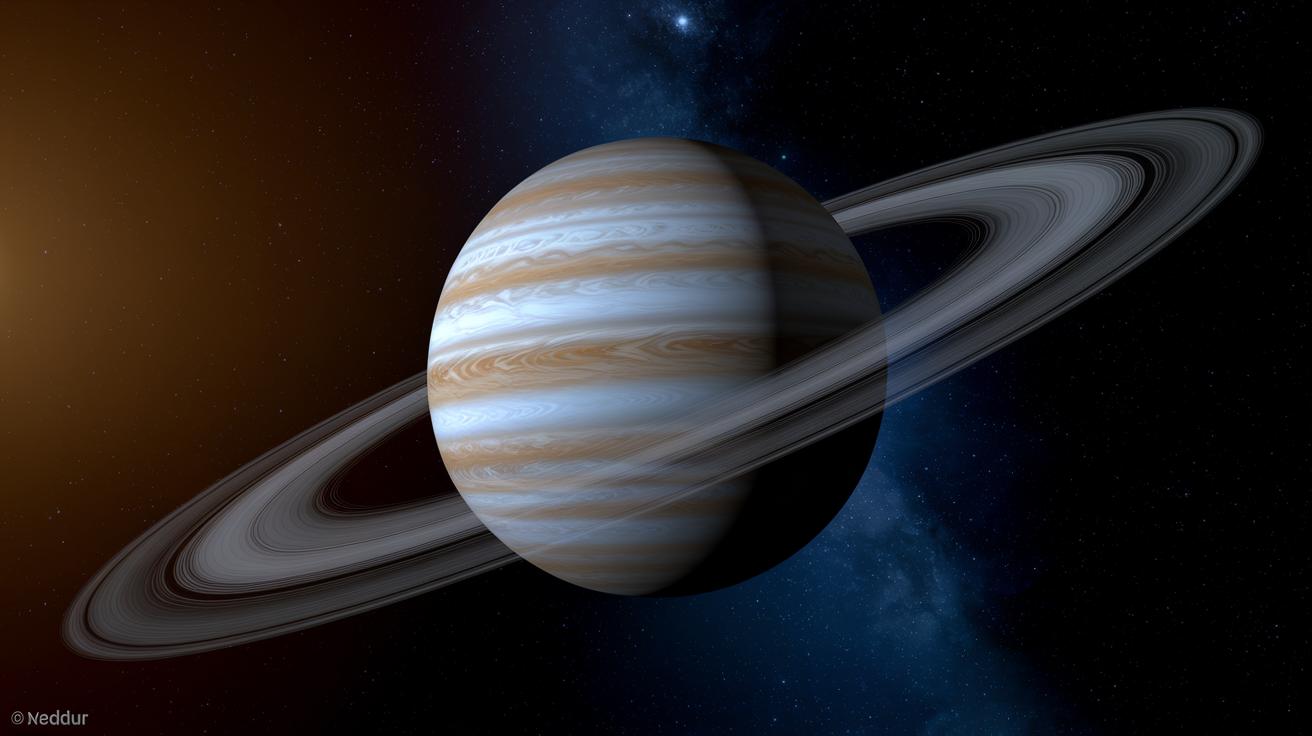
Escape velocity is the slowest speed a planet needs to hold its air close. It depends on the planet's weight and size. For example, Earth needs about 11.2 km/s, Mercury about 4.3 km/s, and Jupiter around 59.5 km/s. In short, bigger planets have a tighter grip on their gases than smaller ones.
Planets like Jupiter and Saturn show how this works well. Their strong gravity keeps thick blankets of hydrogen and helium safe. With such a high escape speed, these light gases stick around to form dense, wide atmospheres. This makes them look and feel very different from lighter, smaller planets.
On the flip side, smaller planets like Mercury and Mars find it hard to keep their atmospheres. Their slower escape speed lets light gases drift off into space, especially when the solar wind blows. Over time, these planets lose much of their air, leaving them with very thin envelopes. This difference in holding on to gases helps shape how each planet appears and its ability to support different surface conditions.
Rotation Dynamics and Axial Tilt in Planetary Characteristics
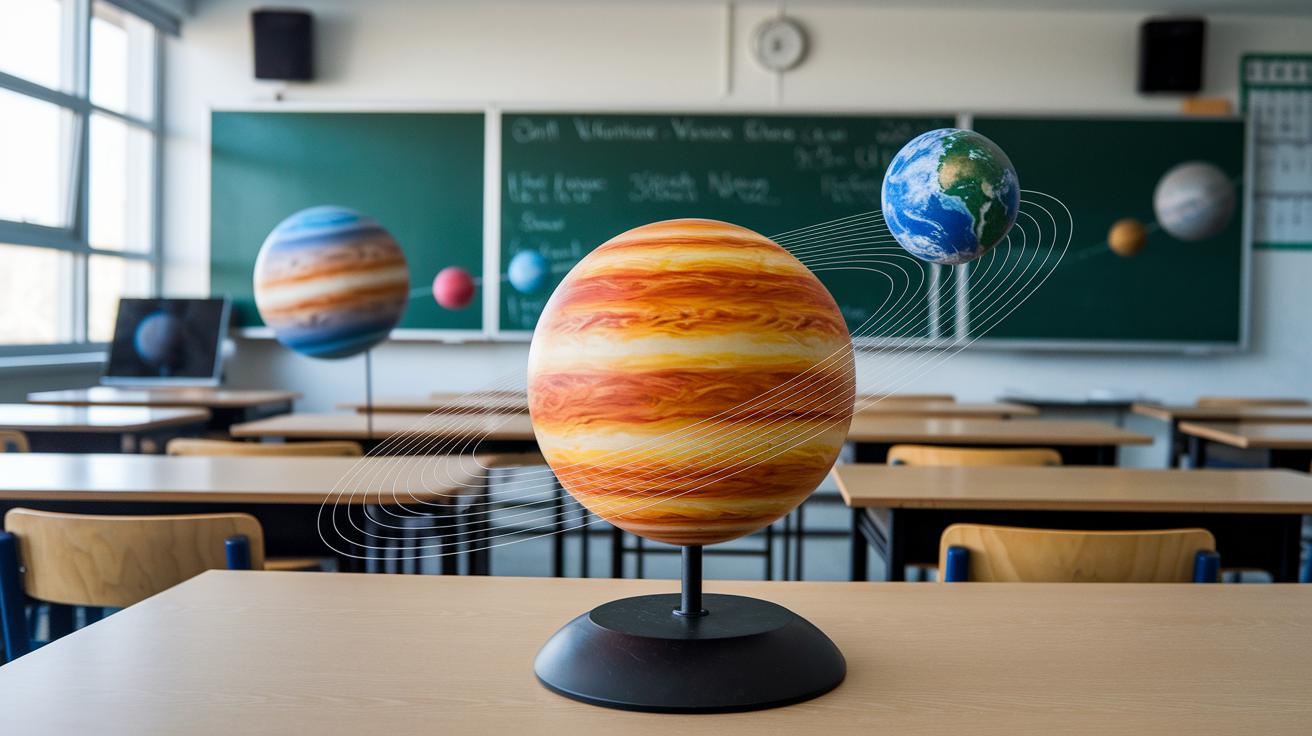
Planets spin in their own special way, creating days that feel different from one world to the next. Take Mercury, for instance, you know, it turns on its axis so slowly that one day lasts about 59 Earth days. Venus takes its time even more, with a spin that stretches to roughly 243 Earth days, giving it a gentle, almost dreamy rhythm. By contrast, our Earth whirls around in just 24 hours, shaping the day and night cycle we’re so familiar with. And then there’s Jupiter, which races through a rotation in about 10 hours. This mix of spins shows us that every planet has its own story, influenced by how its inner workings and atmosphere come together.
Axial tilt adds another delightful twist to a planet’s personality. Imagine Uranus, for example, it tilts almost all the way over at nearly 98°, so parts of it bask in continuous sunlight for long periods, while others plunge into extended darkness. On the other hand, Mercury and Venus have barely any tilt at all, which means they don’t enjoy the marked seasons we see here on Earth. This small difference in tilt changes how sunlight touches each surface, which in turn affects temperatures and gives each planet its own unique climate feel.
Comparative Overview: Terrestrial, Gas, and Ice Giant Characteristics

Terrestrial planets like Earth and Mars are all about solid rock and metal. They have heavy, dense cores made of iron and silicate, which makes them compact. Their atmospheres are thin; for example, Earth is wrapped in a mix of nitrogen and oxygen while Mars is mostly shrouded in carbon dioxide. These rocky worlds have rugged surfaces and just a few moons, painting a clear picture of familiar, solid materials at work.
Gas giants such as Jupiter and Saturn are in a whole other league. They are made mostly of hydrogen and helium that swirl around a much smaller core. These vast layers of gas give rise to striking rings and plenty of moons. The lightness of these gases sets them apart from their rocky cousins, creating conditions that are as different as night and day.
Ice giants like Uranus and Neptune blend traits from both terrestrial and gas giants. Their insides mix water, ammonia, and methane ices, giving them a unique chemical recipe. Their atmospheres are thicker than those of rocky planets but not as massive as the gas envelopes of the larger giants. This balance of ices and gases, along with a moderate number of moons and delicate rings, makes them truly special in our solar system.
Final Words
In the action, we reviewed how planetary characteristics like physical traits, chemical make-up, and orbital dynamics shape what we see in the cosmos. We looked at small, rocky worlds versus gaseous giants and even considered rotation and escape velocity. All these insights bring us closer to understanding life under a cosmic sky. These planetary characteristics remind us that the stars hold clues to making positive and informed choices every day. Keep your eyes on the sky and stay inspired.
FAQ
What are the key planetary characteristics in the solar system?
The planetary characteristics in the solar system include physical factors like density and size, chemical aspects such as composition, and orbital traits like period and eccentricity to help us understand each planet’s unique properties.
What are the differences between terrestrial and giant planets?
Terrestrial planets like Mercury, Venus, Earth, and Mars have rocky surfaces and higher densities, while gas and ice giants feature thick atmospheres with lower densities, giving them vastly different internal and environmental traits.
What are the outer or Jovian planets?
The outer, or Jovian, planets such as Jupiter and Saturn have massive hydrogen-helium envelopes, intense weather systems, and strong gravitational fields, making them distinctly different from the inner rocky planets.
What are the planetary characteristics of Earth?
Earth’s characteristics include a balanced mix of rock and water, an atmosphere rich in nitrogen and oxygen, moderate density, and surface conditions that support life, setting it apart from other terrestrial bodies.
Is there a chart or order for planetary characteristics?
A planetary characteristics chart organizes details like size, density, and orbital period, while the order of planets typically follows their distance from the Sun, allowing for clear and efficient comparisons.
What is the order of the planets in the solar system?
The order of planets by distance from the Sun is Mercury, Venus, Earth, Mars, Jupiter, Saturn, Uranus, and Neptune, each with its own unique physical, chemical, and orbital properties.