
Ever wondered if your horoscope could really capture your vibe? This guide shows you a playful mix of modern space details and old-school star reading techniques. It all starts with your birth details, which lay out the role each planet plays in your personal star map. Think of it as blending careful science with a spark of creative magic. Have you ever felt that gentle pull from the stars? Just follow the simple steps and create a reading that feels both familiar and excitingly new.
Step-by-Step Tutorial to Create Your Custom Horoscope
Imagine blending modern technology with the age-old art of reading the stars. You can build a unique horoscope by mixing NASA’s live space data with the careful genius of Swiss Ephemeris. With your birth date, time, and place as your guide, you create a reading that feels both classic and fresh.
- Gather your exact birth details and craft your natal chart
- Calculate where the planets and stars are located
- Look at how the key planets interact with one another
- Design your horoscope's layout and choose your visuals
- Share your finished reading with those seeking insights
Start by collecting your birth details. These details help you make a clear map of the sky at the moment you were born. Next, use trusted tools to work out the positions of the Sun, Moon, and other planets. Each planet’s placement adds a special touch, helping you see how they influence your daily life.
Then, dive into the patterns between the planets. Notice how they connect and affect each other. This step brings a spark of life into your reading. After that, let your creative side guide you as you choose colors and design elements that match the cosmic vibe of your chart.
Finally, when everything comes together, share your custom horoscope. This celestial map, built step by step, is ready to guide anyone looking for personal cosmic insight.
Gathering Precise Birth Data for Your Custom Horoscope

Start by jotting down your birth date, the exact time (including your time zone), and your place of birth. These details are like the building blocks of your very own star map. Think of them as the seeds that grow into your unique cosmic blueprint.
Once you have your details, give them a quick double-check. Then, use easy tools like Swiss Ephemeris or NASA APIs to turn this raw info into exact planetary positions. Online chart generators work like magic here, automating the process so you don’t have to worry about mistakes.
In the end, every bit of your birth data matters. They come together to form a clear, trustworthy guide to your personal horoscope, a true reflection of your journey under the stars.
Calculating Astral Positions and Aspects in a Custom Horoscope
Start by collecting ephemeris data from reliable sources like Swiss Ephemeris or NASA APIs. These tools give you clear tables showing where the Sun, Moon, and planets are at any moment. They note down details like the degrees, minutes, and seconds that each celestial body holds in the zodiac. Picture a chart where the Moon shines at 12 degrees in Libra. This simple fact sets up your unique cosmic blueprint. Good ephemeris data is the first step towards creating an accurate horoscope.
Then, use simple formulas to work out your local sidereal time. This time helps set the starting point for different sections of your celestial map using systems such as Placidus or Equal House. In the same breath, pay attention to key aspects by measuring the angular distances between planets. Look for special angles like 0, 60, 90, 120, and 180 degrees. For example, a 90-degree gap between Mars and Venus might point to a lively push-and-pull energy. These numerical markers add a personal touch to your reading.
Finally, double-check your work by comparing your calculated positions and aspects with trusted references. Taking that extra step makes sure your numbers match established data and builds trust in your interpretation. For extra help understanding these planetary messages, check out our guide on interpreting planetary influences in your birth chart.
Designing the Layout of Your Custom Horoscope Reading
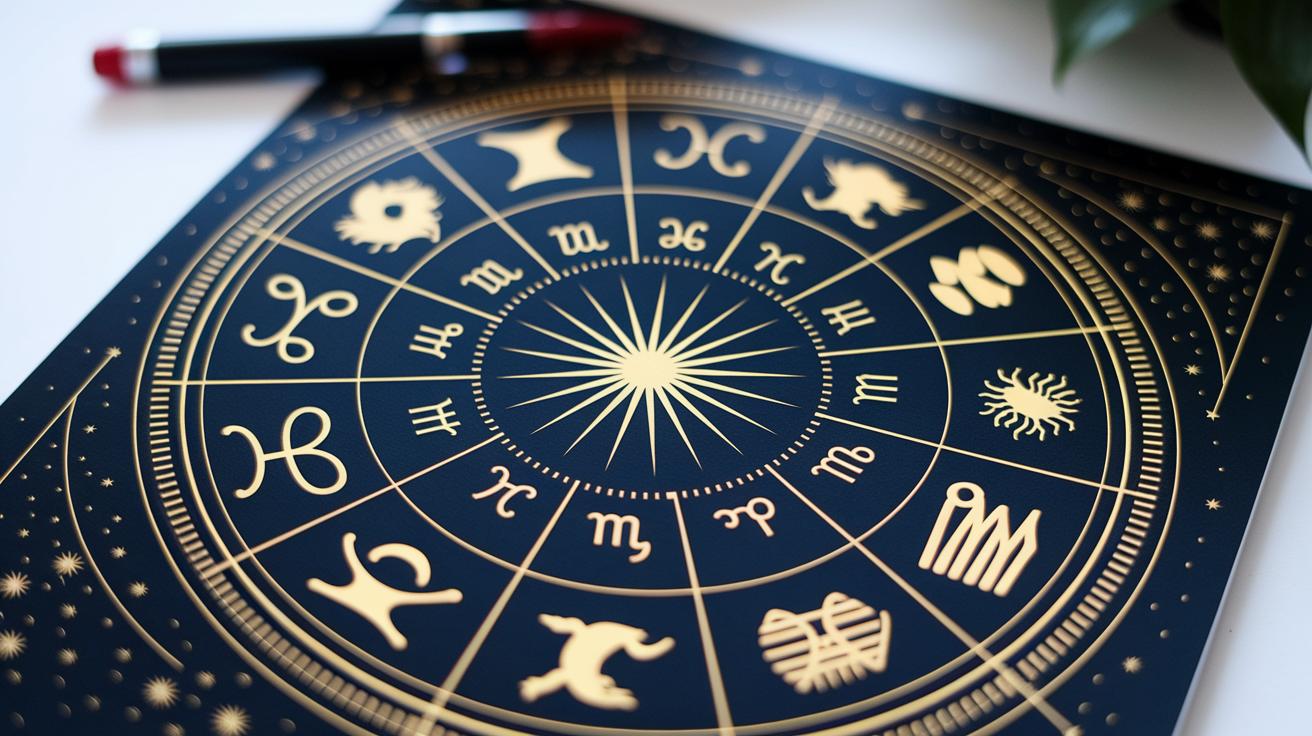
Put your chart in the spotlight with a clean, dark or simple design that clears away any clutter, letting your cosmic insights shine. Set the main chart next to clear grids and bullet points so readers quickly grab the essential details. A tidy layout helps the stars speak for themselves. You can add sidebars or pop-up boxes to explain tricky terms, keeping the main view neat and friendly.
Choose design elements that capture the mystery of the cosmos. Stick with a soothing color mix where deep, dark backgrounds make bright accents pop, focusing attention on your star art. Use familiar glyphs for zodiac signs, planets, houses, and aspects to make everything easy to read. Simple fonts and thoughtful icon placements give your design a personal and welcoming feel. For extra guidance, you might check out the reference on birth chart symbols available on our site.
Automating Custom Horoscope Generation with Spreadsheets or Code
Setting up a system that automatically creates your custom horoscope can feel as magical as watching the night sky. Imagine using a clear, visual spreadsheet with custom scripts. With Google Sheets and its add-ons, you can calculate when and how the planets align so you stay updated with real-time cosmic insights. And if you prefer a no-code solution, platforms like Bubble or Appy Pie let you drag and drop dynamic horoscope modules into your project. This way, you can generate a unique blueprint without needing to be a coding expert.
If you enjoy tinkering with code, Python libraries like PyEphem offer a whole new level of flexibility. They pull data directly from NASA APIs and even let you export your custom readings as PDF reports. It’s like fine-tuning a celestial instrument to meet your exact needs. In the end, whether you choose the hands-on spreadsheet method or dive into Python, each approach helps you handle complex astrological calculations with ease, saving you precious time.
| Method | Tools | Pros | Cons |
|---|---|---|---|
| Spreadsheet | Google Sheets + Scripts | Free, easy setup | Limited advanced features |
| Code | Python + PyEphem | Highly flexible | Requires programming |
Ultimately, the right choice comes down to your comfort with technology. If you like seeing every change in a neat grid, spreadsheets might be your best friend. If you feel creative and love tweaking details, coding could be more enjoyable. Either way, you'll create a cosmic blueprint that brings clarity and efficiency to your astrological journey.
Testing and Refining Your Custom Horoscope Interpretations

First off, double-check your planetary positions using Swiss Ephemeris reference tables. Look at things like angles and degrees so your numbers match what’s expected. It’s like making sure every star is in its proper place. If your sun or moon appears a bit off, go back over your formulas and the tables to catch any small changes. This extra step helps keep your readings accurate, even when using live astronomical data.
Then, reach out to friends or other astrology enthusiasts to get their thoughts. Compare your interpretations with professional charts to see which parts shine and where you might need a tweak. Their feedback can help you fine-tune your text templates so that your readings feel both clear and true to the cosmos.
Publishing and Sharing Your Custom Horoscope with Readers
When your horoscope readings are ready, export them as PDFs, web pages, or mobile-friendly articles. This makes it easy for your readers to view and save their readings on email or responsive websites, almost like a personal guidebook they can carry with them.
Add simple engagement touches to invite conversation. For instance, you can set up push notifications for big transits and include easy-to-find links for compatibility reports. This not only keeps everyone informed, but also encourages your readers to share their own cosmic experiences, helping to build a friendly community around your insights.
Final Words
In the action, this guide walked through crafting your custom horoscope from gathering birth details to automated delivery. Each step, from calculating planetary positions to designing a clear layout, blends ancient wisdom with modern insight.
We explored quality checks and sharing final readings with readers. This hands-on guide shows how to create a custom horoscope that aligns with the cosmic flow. Keep shining and let these practical steps light your path forward.