
Have you ever felt like the stars might be whispering little secrets about your life? Right now, the planets are moving in a gentle, graceful dance that sends hidden energy through our everyday moments. Their paths mix with our very own sky maps, the charts drawn at our birth, to shape our moods and spark surprising changes. In this post, we take a close look at how these celestial shifts touch our hearts and add a special magic to daily life. So, let’s dive in and see how the planets might offer a fresh new perspective on life’s cosmic clues.
How Planetary Movements Influence Astrology Interpretations
Right now, the planets are moving through the zodiac and creating a beautiful cosmic symphony. Each one plays a special tune, forming energy patterns that feel like musical notes. Imagine the soft hum of starlight or the gentle beat of a drum guiding you. Just like a conductor leads an orchestra, the planets come together to steer cosmic energy in our lives.
When these moving planets mix with the positions from your birth chart, they influence your feelings and the vibe of your community. Think of Venus floating by and sparking a warm, pleasing breeze of emotion on a sunny day. Sometimes, the cosmic dance brings harmony, while other times it might add a little tension to our everyday moments.
Looking at both the current transits and your personal birth chart feels like holding a mirror that reflects your strengths and challenges. It’s like watching the stars shift on a nighttime canvas and revealing your unique story. In this way, planetary movements guide and sometimes test us, offering advice that feels both personal and connected to the wider universe.
Symbolism of Key Planetary Movements in Astrology
Imagine the planets as friendly guides that help us understand the world around us. They are like signs that turn the mysterious language of the stars into everyday messages. Each one brings its own unique energy, adding a little magic to both our personal lives and our shared journey.
- Sun – the spark of life and a mirror for our true self
- Moon – the keeper of feelings and our natural instincts
- Mercury – the messenger that helps us think and talk
- Venus – the warmth behind love and the drive for harmony
- Mars – the bold force of energy and courage
- Jupiter – the sign of growth, luck, and new opportunities
- Saturn – the guide that teaches us about discipline and order
Modern astrology goes further by inviting Uranus, Neptune, and Pluto into the mix. They bring in deeper and sometimes surprising energies that can transform us. And in Vedic astrology, two extra guides called Rahu (the north node) and Ketu (the south node) are also part of the cosmic story. These additional elements help us see how the movements of the planets weave together complex and meaningful patterns in our lives.
Interpreting Retrograde Motions in Astrological Analysis
When a planet goes retrograde, it looks like it's moving backward in the sky. This is just an optical trick that happens because Earth is overtaking the other planets on its path. Right before and right after the retrograde moment, we have what we call shadow periods, which add a lingering feel to the planet's energy.
These shadow phases can change the usual vibe of the planet. They might make its traits feel stronger or even a bit different. Where the planet sits in your birth chart helps pinpoint which areas of your life might pick up these shifts.
Take Mercury retrograde, for instance. You might notice more mix-ups or communication slip-ups. Venus retrograde invites you to take a closer look at your relationships. Mars retrograde can slow down your energy, making you pause to rethink your personal plans. And when Jupiter or Saturn turn retrograde, it sometimes feels like a time to reexamine your growth and life lessons, nudging you to reflect on your long-term goals.
Each retrograde moment offers a gentle, yet meaningful shift in our daily experiences and inner rhythms.
Celestial Cycle Dynamics: Solar and Lunar Transit Interpretations
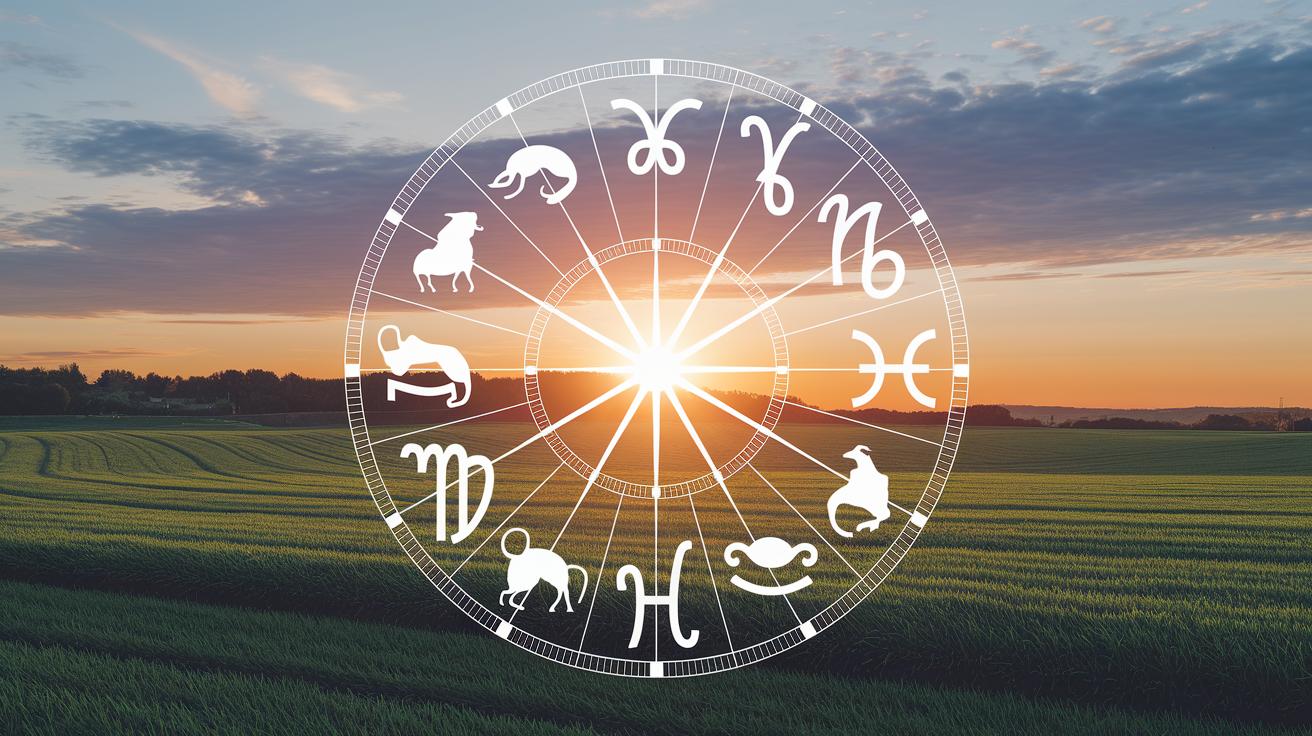
As the Sun travels through each zodiac sign, it spends about 30 days in each spot, much like nature turning its own clock. When the Sun moves into a new sign, it gently hints that the season might invite fresh starts or quiet moments of reflection. Each sign brings its own vibe, changing our moods and activities in small yet noticeable ways.
The Moon, on the other hand, follows a roughly 29.5-day cycle that guides our inner feelings. It starts with the New Moon, when the sky feels like a blank page ready for new dreams. As the Moon grows fuller during the Waxing phase, we pick up a surge of energy. The Full Moon shines at its brightest and most intense, while the Waning phase helps us let go of what no longer serves us. It’s like the Moon is quietly nudging our emotions to rise and fall as naturally as the tides.
Eclipses and nodal alignments add even more wonder to this celestial dance. Eclipses often feel like moments when time stands still, revealing hidden truths or sparking big changes in our lives. When the lunar nodes align, they highlight deep, karmic connections and the lessons we’re meant to learn. Together, these events give us a clearer glimpse into what might be coming next in our personal journey.
Applying Planetary Transits to Horoscope Forecasting

Transit forecasting is all about comparing where the planets are today and where they sat when you were born. It shows you how the current cosmic vibes might shape your mood and choices each day. Imagine it like a quick snapshot of the sky that hints at when energy will boost you or challenge you.
You can use easy tools like Sun Sign, Rising Sign, Moon Phase, and Natal Chart calculators to see these influences clearly. They help you catch the moments when the stars are sending extra energy your way or nudging you to step up your game.
| Aspect | Interpretation |
|---|---|
| Conjunction | Intensified focus |
| Square | Inner conflict |
| Trine | Smooth flow |
| Opposition | External challenge |
Every planetary aspect in your chart has a message of its own. For example, a conjunction brings energies together, spotlighting a specific area in your life. A square may signal an inner struggle that needs some tweaking, while a trine shows a smooth, easy movement of energy that supports you. And when you see an opposition, it’s like a nudge from the universe, challenging you with external hurdles that help you find balance.
Online forecasting tools make it simple to blend these aspects with daily, weekly, or yearly insights made just for you. By watching the ever-changing dance of the planets alongside your unique chart, you’ll know when to step forward with confidence or pause and reflect on the lessons the stars are sharing.
Historical and Cultural Contexts of Planetary Movements in Astrology
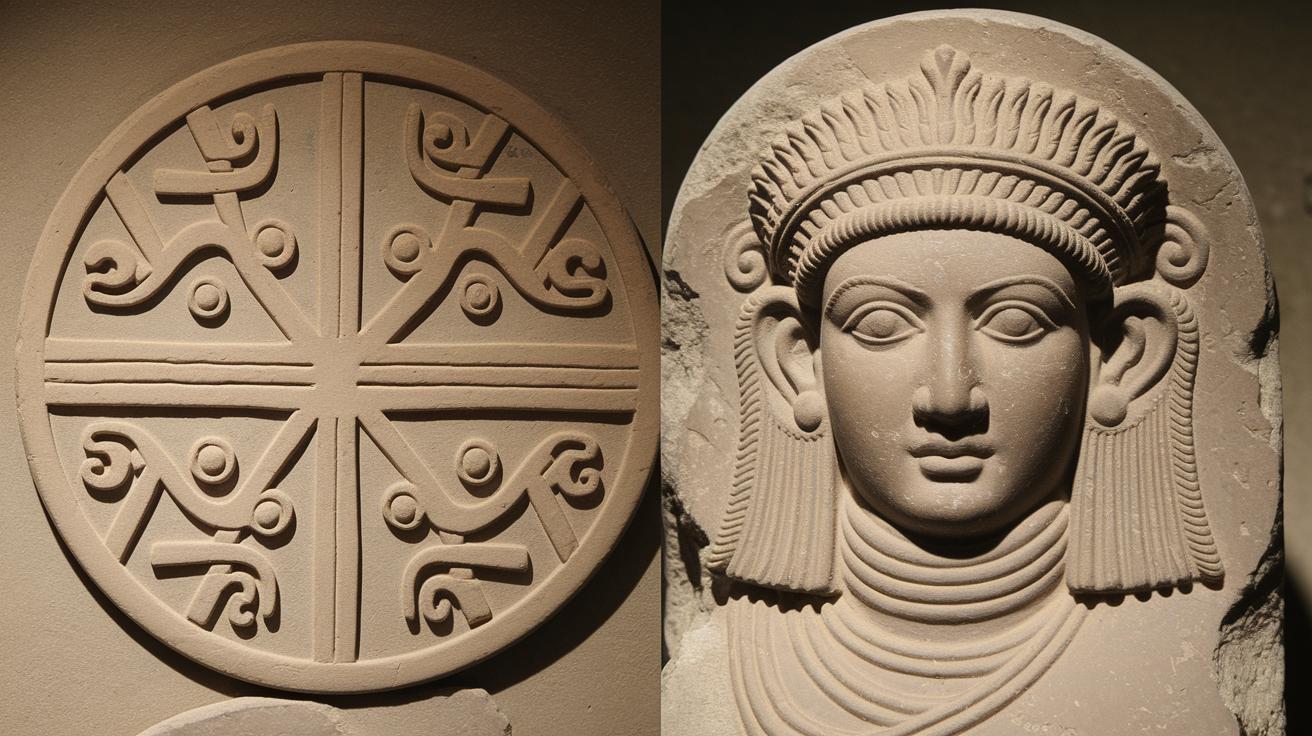
Babylonian scholars were among the first to watch the skies with great care. They noticed when planets lined up with familiar stars and constellations, recording these events to mark the changing seasons. Their early charts laid down a path that linked heavenly patterns with life on Earth, sparking ideas that many cultures would later build upon.
Greek thinkers took these records and wove them into enchanting myths. They connected each planet with a god or goddess, symbols of wisdom, love, or courage. It was like filling the sky with stories that echoed our own emotions and daily experiences. Have you ever been captivated by a starry night, feeling as if the universe might be speaking to you?
In ancient India, astrologers deepened this celestial study by adding what we now call shadow planets, Rahu and Ketu, along with detailed lunar mansions called nakshatras. Their method was a blend of careful astronomical tracking and intuitive, spiritual insight. Vedic astrology, which many still explore today, offers guidance that feels both practical and deeply soulful, like a gentle whisper from the cosmos.
Western astrology began with the classic seven planets and gradually expanded to ten. In contrast, Vedic methods work with nine, including the shadowy influences of Rahu and Ketu. Romans saw Saturn as a steady, protective father figure, while Indian traditions regard Saturn as a wise, guiding teacher. These varied perspectives remind us that our view of the stars can be as unique as our own life journey.
Case Studies: Natal Chart Influences of Planetary Movements
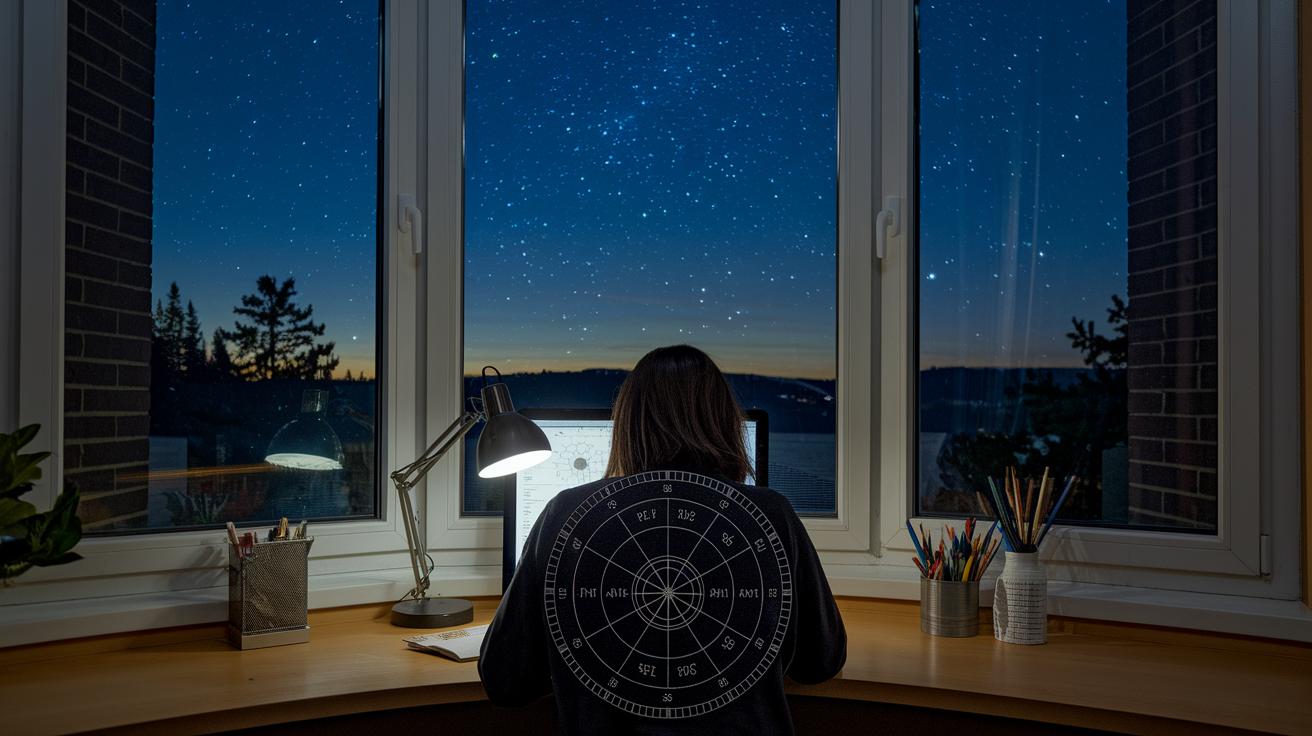
Case studies show us how the dance of the planets can shape our lives. They help us see how events in the sky, like returns and transits, become turning points that guide our growth. Real-life examples build a bridge from the stars down to our everyday world.
Saturn return happens around 29½ years of age and brings important lessons. When Saturn comes back to the same spot it occupied when you were born, it gently nudges you to check in on your responsibilities and create new, strong foundations. It’s a bit like receiving a cosmic report card that inspires you to grow into a wiser, stronger version of yourself.
Jupiter return occurs roughly every 12 years and signals times of expansion and fresh possibilities. This transit can seem like life is opening up in unexpected, exciting ways, kind of like feeling a cool breeze on a warm day. It reminds you that growth and a bit of luck are always part of your cosmic roadmap.
When Mercury goes retrograde in your natal Mercury house, it serves as a friendly reminder about communication. During these periods, old patterns of misunderstanding might pop up, urging you to re-examine how you express your ideas. It’s a clear cue from the cosmos to refine your words and express your thoughts with care.
Tracking your transit patterns can be a powerful way to stay connected with your inner rhythm. With tools like a solar return chart or a detailed birth chart reading, you can watch these influences unfold and better understand when major shifts in your life might occur.
Final Words
In the action, this post explored how planetary movements spark changes in our daily lives. We looked at transits, retrograde motions, and the blend of ancient wisdom with modern insights to help us understand our personal charts.
We also dipped into zodiac symbols and historical context, all pointing to the astrological significance of planetary movements. Each piece offers guidance, giving us a hopeful look at the cosmic cues that inform our empowered, everyday choices.
FAQ
What does planetary alignment mean spiritually?
The planetary alignment means a time when celestial bodies line up, merging energies that many feel boost intuition and inner reflection. It inspires mindfulness and offers a spiritual nudge toward clarity and growth.
What are the nine planets and their characteristics in astrology?
The nine planets in astrology include the Sun, Moon, Mercury, Venus, Mars, Jupiter, Saturn, Uranus, and Neptune. Each planet reveals unique energies, from the Sun’s vitality to Neptune’s dreamlike intuition.
How do current planetary transits influence astrology?
The current planetary transits compare today’s planet positions with your birth chart, creating energetic patterns that offer insights into moods, behaviors, and life events, thus shaping your present experiences.
Why is 2025 astrologically significant?
The year 2025 gains astrological significance with unique planetary configurations that encourage shifts in energy and fresh perspectives, potentially affecting collective moods and individual cosmic expressions.