
Have you ever wondered if our zodiac signs have really changed over time? Sometimes you hear whispers of a new sign or changes to the date ranges, and it might make you question what you always believed about the stars. In this friendly chat, we'll look at how Earth’s slow movement fits in and why the old zodiac system still holds strong. Think of your birth chart as a simple map showing the stars at your moment of arrival. Let’s uncover the real story behind the buzz and see how ancient traditions mix with today’s tales about our special celestial guide.
Did Astrology Signs Change? Separating Fact from Fiction
Many of you may have heard whispers that our zodiac signs are shifting with time. It might sound like our celestial blueprint is outdated, but that isn’t really the case. Western astrology still uses the same fixed sign dates that follow the changing seasons, anchoring our astrological identities in tradition.
You know, the truth lies in a cosmic phenomenon called Earth’s axial precession. Basically, our planet nudges the constellations by about 1° every 72 years over a huge 26,000-year cycle. Some assume that because the Sun appears to enter each constellation a little earlier, the signs have really shifted. But that idea comes from a mix-up with astronomical details, not from the way Western astrology divides the skies into 12 equal parts.
Rumors about a new, 13th sign, often named Ophiuchus, are just a case of misreading the sidereal constellations. This extra sign might seem exciting, yet it doesn’t alter the time-honored zodiac system that has guided us for centuries.
Here are some common reasons this debate sparks up:
| Cause | Description |
|---|---|
| Axial precession | A natural, slow shift of the Earth’s axis that’s often misunderstood |
| Ophiuchus claims | Stories about a 13th sign that confuse sidereal constellations with traditional ones |
| Tropical vs sidereal | The mix-up between a calendar based on seasons and one based purely on star positions |
| Viral headlines | Sensationalized news that ignores real astrological context |
Even though some modern astrologers are exploring finer details or suggesting little tweaks, the essential traits of our traditional signs remain the same. Aries is still known for its bold energy and Pisces for its sensitive nature. The idea of a brand-new cosmic calendar might feel fresh, but the familiar framework reassures us, our zodiac signs haven’t really changed.
Astronomy Behind Sign Date Adjustments

Earth’s slow wobble moves the stars by about 1° every 72 years. This gentle shift makes the constellations drift along with our calendar over time. Tropical astrology ties its zodiac dates to the equinoxes so our seasons stay steady. Meanwhile, sidereal astrology sets its dates based on where the stars are right now. Picture the night sky softly changing, as if the stars are whispering old cosmic secrets every century.
| Factor | Effect |
|---|---|
| Axial Precession | Moves star alignments by about 23° over 2,000 years |
| Tropical vs Sidereal | Tropical fixes dates to the equinoxes; sidereal follows current star positions |
For more on how timing works in the cosmos, check out the guide on planetary influences at this link: planetary influences: a guide to cosmic timing.
Tropical vs Sidereal Astrology: Different Sign Timelines
Tropical Astrology
Western astrology, sometimes called Tropical astrology, splits the sky into 12 neat sections using the March equinox as its guide. In this system, your Sun sign dates remain fixed. For example, Aries always begins on March 21, keeping everything tied to the rhythm of the seasons. It’s like having a trusted calendar where even if you glimpse new stars in the sky, the dates stay the same. This approach offers a simple, steady path for those who lean on the seasonal flow for cosmic guidance.
Sidereal Astrology
Sidereal astrology, also known as Vedic astrology, takes a different route by matching zodiac signs with the current positions of the stars. This means dates can shift. For instance, Aries might start around April 14 instead of March 21 nowadays. Star charts and prominent stars serve as the anchors here. Plus, this method often brings in Nakshatras, clusters of stars, to give your chart a bit more depth. While some even debate topics like including Ophiuchus in the mix, the point is that this variation is all about measuring the sky as it is today instead of sticking to a fixed seasonal layout.
Ophiuchus and the 13th Sign Debate
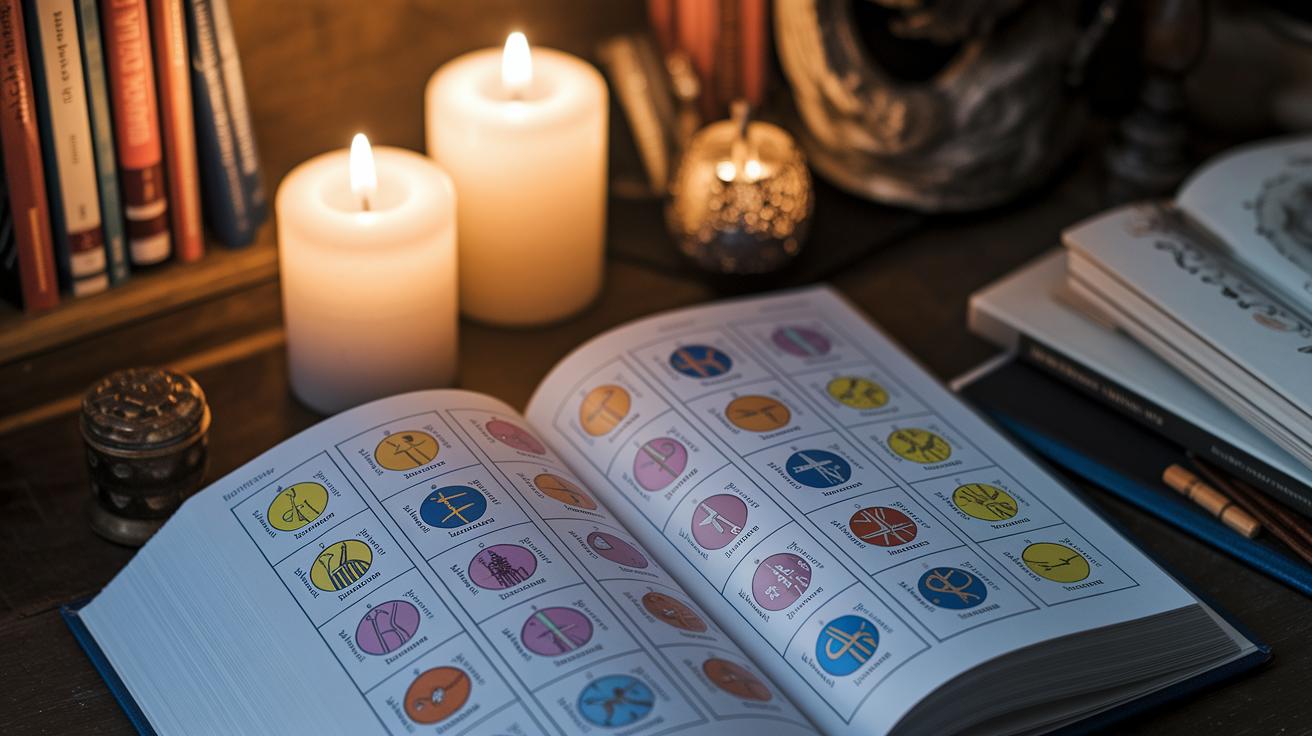
We once chatted about how using the seasons keeps our zodiac to 12 signs instead of 13. Now, when people mention Ophiuchus, they’re comparing the real clusters of stars to our long-held seasonal markers. Some astrologers embrace the new star data while others stick with the traditional seasonal way.
It’s a neat example of modern ideas meeting old traditions. Imagine reading your horoscope and realizing that even though star maps now point to Ophiuchus, your traits still match the signs defined by the changing seasons.
| Approach | Basis |
|---|---|
| Tropical Astrology | Seasonal divisions |
| Astronomical Mapping | Actual star boundaries |
Updated Sign Interpretations in Modern Astrology
These days, astrologers dive into your whole birth chart instead of just your Sun sign. They also watch fast-moving planets and even asteroids to add extra layers to your zodiac traits without changing the core vibe.
For example, you might hear someone say, "Venus’s quick transit lifted my mood today." It shows that even tiny shifts in the sky can give more detail to your usual zodiac energy.
These modern touches fit well with classic astrology. Your sign’s familiar qualities still shine through, even with these fresh cosmic hints.
Expert Views on Astrology Sign Evolution
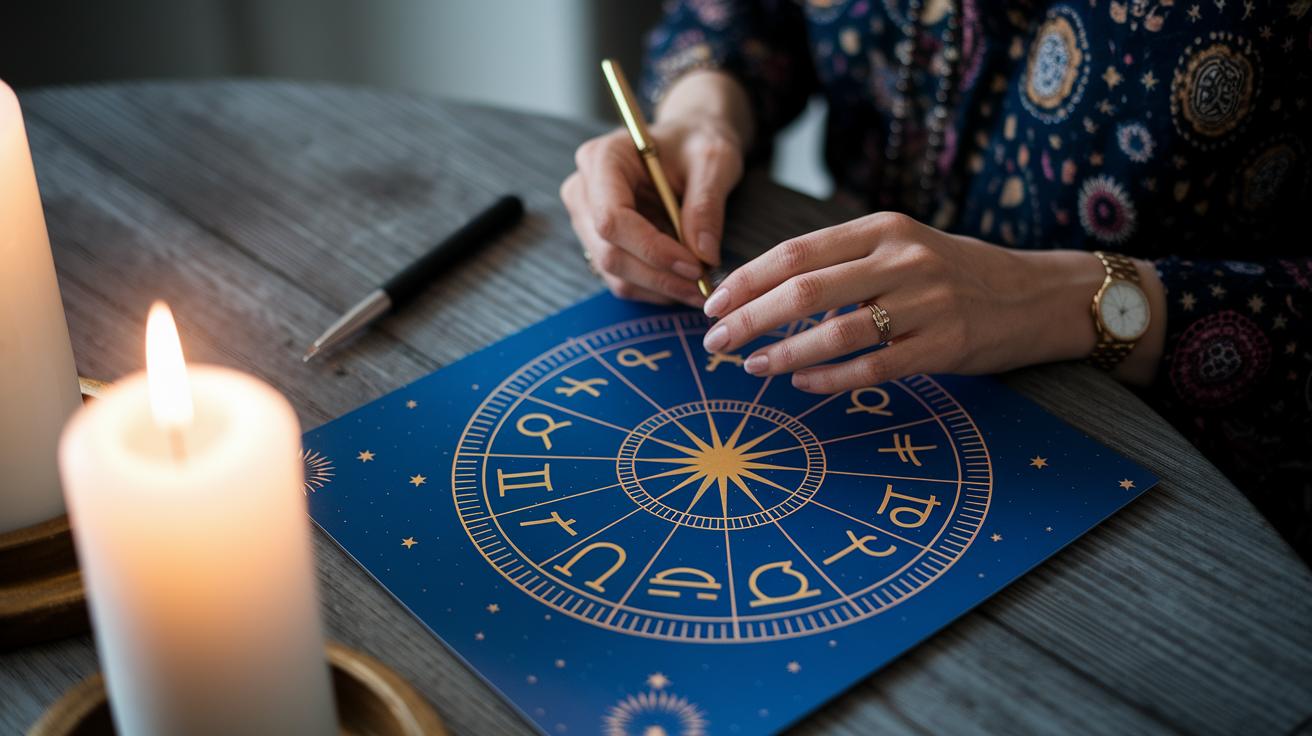
Many seasoned astrologers believe that the magic of astrology lies in the familiar symbols we know rather than the exact positions of the stars. One expert even mentioned decoding the symbolism of planetary influences, pointing out that the real beauty of the zodiac is how each sign invites us to look inside ourselves.
Other practitioners agree that whether we follow the natural rhythm of the seasons or notice small shifts in our planet, the core meaning of every sign stays the same. They focus on everyday symbols that help us understand our lives, reminding us that sometimes, the simplest insights shine the brightest.
Final Words
In the action, we saw cosmic insights on why rumors that astrology signs changed caught on and how planetary motions sparked confusion about sign dates. We examined the contrasts between Tropical and Sidereal systems, cleared up myths about a 13th sign, and revealed modern interpretations that keep tradition alive. Our discussion shows that while perceptions may shift, the beauty of classical zodiac energy endures. Keep exploring the stars with hope and excitement as fresh cosmic hints guide your day.
FAQ
Q: What are the new zodiac sign dates and which zodiac signs are now recognized?
A: The idea of new zodiac sign dates and signs comes from a misunderstanding of Earth’s movements. In reality, Western astrology still uses its steady 12-sign setup with dates tied to the seasons.
Q: Is there a 13th zodiac sign, Ophiuchus, in modern Western astrology?
A: The claim of a 13th sign known as Ophiuchus arises from reading star charts differently. Western astrology, however, sticks to its classic 12-sign structure without adding extra signs.
Q: Do zodiac signs change every 30 years or over time due to Earth’s movement?
A: Although Earth’s wobble causes stars to drift, the Tropical method fixes zodiac sign dates by seasons. This means the traditional sign dates do not shift every 30 years or over time.
Q: Are the zodiac signs changing in 2025 or soon?
A: Predictions about changes in zodiac signs in 2025 stem from misinterpreting astronomical effects. In truth, Western astrology uses a fixed seasonal framework, so the sign dates remain steady.
Q: Why do some sources claim the astrological signs have changed?
A: Claims of changing astrological signs often arise from mixing up star-based calendars with the fixed seasonal method. This difference can create confusion, even though the established zodiac dates continue as before.
Q: Do astrology signs change over time?
A: Even with Earth’s shifting star positions, the sign dates in Tropical astrology remain unchanged. This fixed system provides consistent guidance despite the slow drift of the constellations.