
Have you ever felt your birth chart is quietly sharing secrets about you? Think of it as a gentle conversation among the parts of you, showing where you shine and where you face challenges. Every angle between the planets creates a mix of energy that pushes, pulls, and balances your inner world. Today, let’s explore these cosmic cues and see how even tiny differences can light up important insights about who you are and how life flows for you.
Natal Chart Aspects: Spark Your Cosmic Insight
Astrology aspects are the angles that connect planets in your birth chart, and they work like a little chat between different parts of you. These angles, measured in degrees, show where cosmic energies mix, push, or balance each other. When two planets form a set angle, they start a dialogue that influences your traits and life patterns in a unique way.
There are five main aspects that everyone who looks at a birth chart pays attention to. Each one brings its own flavor to how planetary forces interact. When the planets are nearly exactly at an angle, their energies intensify even if you might not notice at first. A tiny difference in degrees can change a gentle hint into a strong, almost instinctive impulse.
Here are the five key aspects and what they generally do:
- Conjunction: Think of this as a deep mix. When two planets are within 10° in the same sign, they merge their energies to sharpen your inner power.
- Trine: Happening at 120°, this aspect creates a smooth and natural flow. It helps talents emerge and makes things feel effortless.
- Square: With a 90° angle, this aspect gives you a bit of a push. It brings challenges that teach you valuable lessons through friction.
- Sextile: At 60°, this aspect offers a supportive vibe. It opens up opportunities and invites cooperative energy.
- Opposition: Seen at 180°, this aspect brings opposing forces into a balancing act. It nudges you to find harmony between contrasting energies.
Each of these aspects holds little secrets about your inner world. As you explore these angles more closely, you'll begin to see how slight differences, like close orbs, can amplify hidden behaviors and mark both peaceful and challenging areas of your everyday life.
Major Aspect Definitions in a Natal Chart
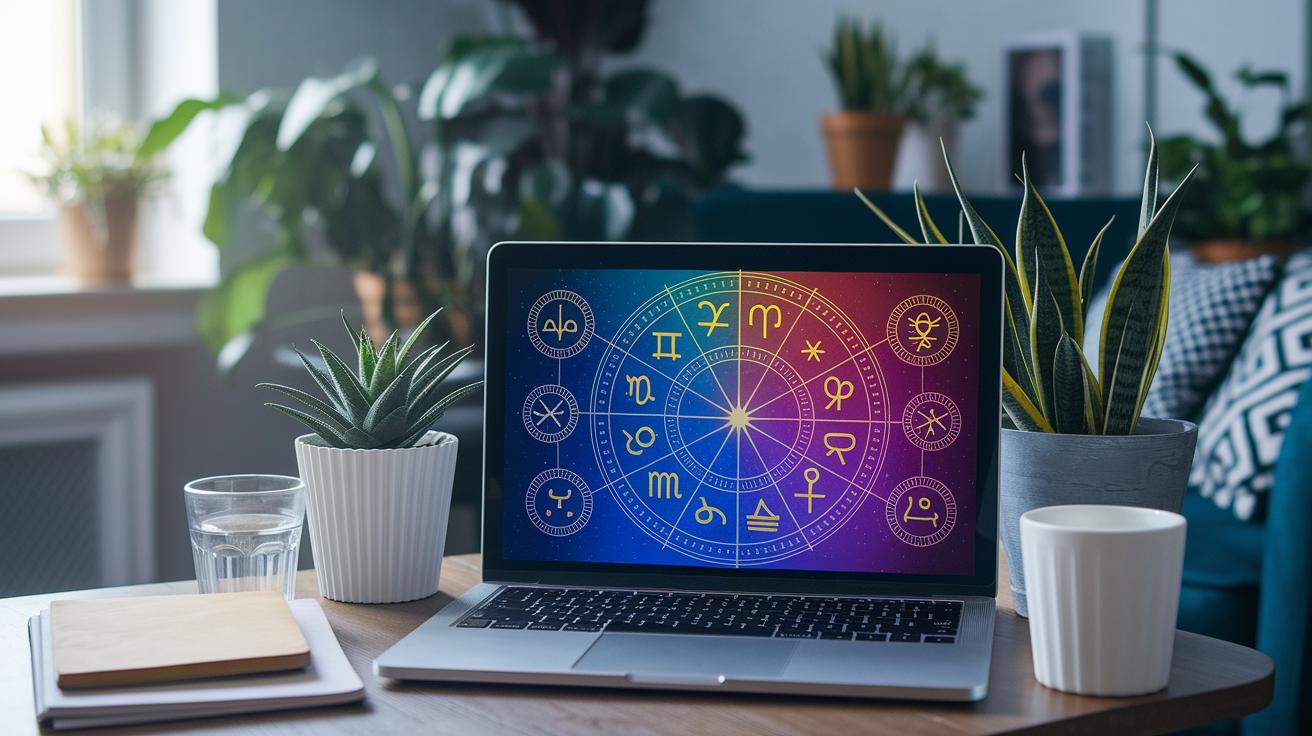
Your natal chart is like a friendly chat with the universe about what makes you tick. Each aspect shows how different parts of you mix, challenge, or balance each other. Think of them as a simple map marking your natural talents and the little hurdles that help you grow. It’s like the stars are sharing secrets about your unique journey.
| Aspect | Symbol | Orb Range | Core Meaning |
|---|---|---|---|
| Conjunction | ☌ | up to 10° | Merges energies for focus |
| Trine | △ | up to 8° | Natural talent, flow |
| Square | □ | up to 8° | Tension, challenge |
| Sextile | ⚹ | up to 6° | Opportunity, cooperation |
| Opposition | ☍ | up to 10° | Balance, polarity |
These core aspects act like a toolkit from the cosmos. For example, a conjunction blends energies so you can focus on a goal, while a square brings tension that nudges you toward growth by challenging you. Trines and sextiles create a smooth flow, highlighting your natural abilities and opening doors for cooperation. And oppositions help you see the push and pull inside you, inviting balance amid conflicting forces. When you take time to explore these messages, you start to see how the universe speaks to you every day.
Calculating and Plotting Natal Chart Aspects
Start by finding a simple online chart calculator where you can plug in your birth date, time, and place. This free tool shows you how the planets relate by drawing lines in different colors, think blue or green for gentle vibes and red for tougher challenges. Every symbol, like ☌ for a conjunction or △ for a trine, is there to help you understand what your chart is saying.
Try these steps to map out your natal chart aspects:
- Pick a trusted online chart calculator.
- Carefully enter your birth details: date, time, and location.
- Look for the aspect grid or the lines connecting points on the chart. Sometimes it looks like a spider web or a crisscross pattern over a circle.
- Check out each symbol, its orb (or the degree of influence), and its color. For instance, a Moon-Mars square might show up in red at 1° and can be quite strong.
- Write down the exact degree of each aspect so you can see how tightly or loosely the planetary energies mingle.
Tip: Play with the orb settings to notice the difference between wider and tighter influences. Wider orbs tend to highlight energies that show up more clearly in everyday life, while tighter orbs might reveal subtler hints about your behavior.
When you compare a chart wheel with an aspect grid, you'll see the same connections in two different styles. The chart wheel offers a circular view of the planets and houses, while the grid focuses solely on the connecting lines. Using both views gives you a fuller picture of your own cosmic setup and inner dialogue.
Interpreting Positive and Challenging Natal Chart Aspects
Soft aspects like trines and sextiles create an easy, smooth flow between your planets. They’re like a friendly chat among the stars, gently mixing energies. For example, when Venus forms a triangle with Jupiter, it hints at social ease and creative spark, almost like the soft shimmer of starlight guiding you through daily life.
Hard aspects, such as squares and oppositions, bring more intense energies into play. When the Moon squares Mars, for instance, it might stir up strong feelings, pushing you to face personal challenges head-on. Think of these aspects like a cosmic workout that strengthens your inner resolve, even if the pressure feels heavy sometimes.
Here are a few quick tips to keep in mind:
| Tip | Focus |
|---|---|
| Note the orb tightness | How closely the planets connect |
| Check planetary dignities | Each planet’s strength and nature |
| Look at the overall chart theme | How all the energies blend together |
Pay attention to the size of each orb, a tighter orb usually means its effect is felt more strongly, even if it seems subtle. By comparing these different energies, you can discover where the gentle guidance of the cosmos or a necessary challenge is shaping your inner dialogue. This practice helps you understand the dance of planetary alignments and uncover hidden patterns in your chart.
Minor Aspects and Subtle Cosmic Patterns
Minor aspects are important because they show the quiet hints of who you truly are. They work softly, offering clues about your creativity, behavior, and hidden talents. Often, people notice the larger aspects because they are more obvious. But the smaller, more delicate aspects shape the parts of you that work quietly in the background.
For example, aspects like the semi-sextile and quincunx give off a softer vibe than the major ones. The semi-sextile is a 30° angle that gently hints you can adapt when surprises come your way. As for the quincunx, it shows that you may need small changes in your life, nudging you to adjust your habits or see things in a new light.
Finding these subtle patterns in your chart can reveal hidden talents and creative sparks. For instance, spotting several minor sextiles might mean you have secret abilities waiting to shine, like a quiet energy that boosts your daily routine. Sometimes, rare patterns like the quintile appear. They point to a unique creative style that makes you stand out and invites you to explore a deeper personal insight.
Applying Planets and Houses to Aspect Analysis
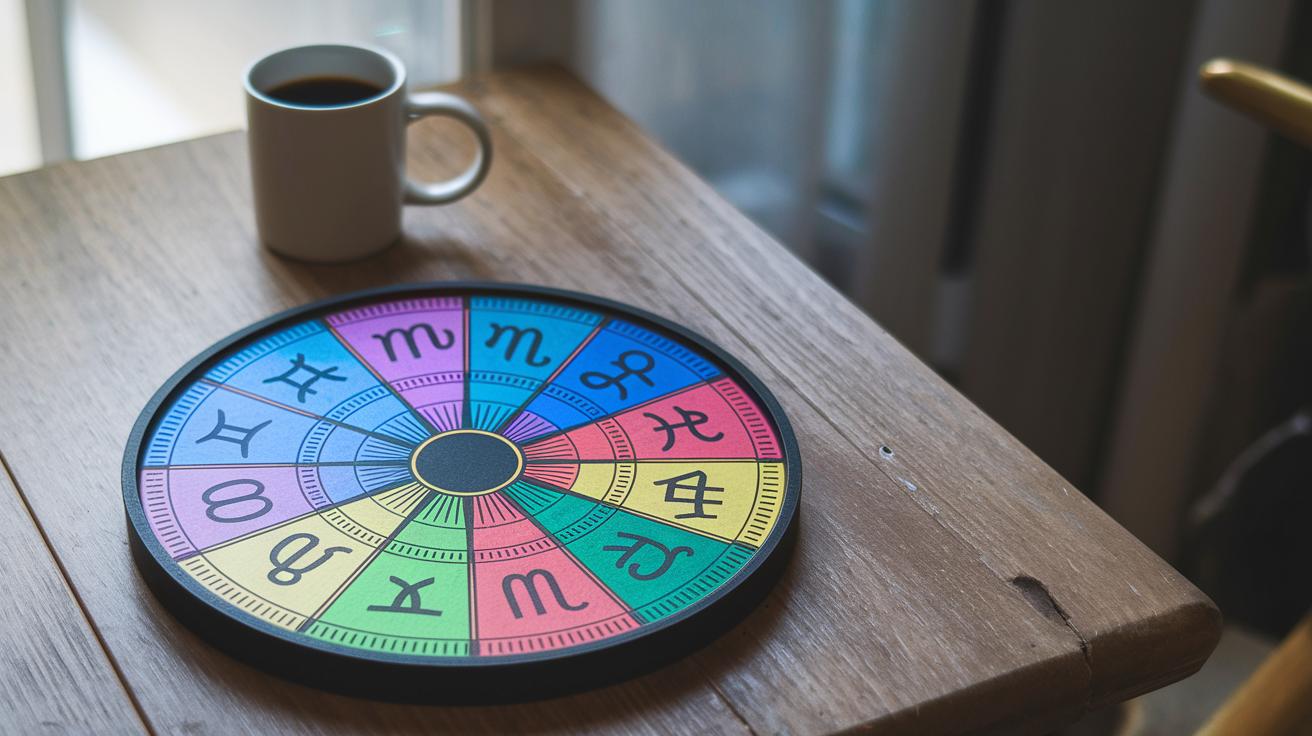
When we explore planetary aspects, their meaning deepens once we consider the house they reside in. Think of the planets as the vibrant characters in your life story, and the houses as the stages where their energies play out each day. For example, a Sun and Mercury alignment shows that sharp thinking and clear communication really come into focus. When this pairing lands in a specific house, it colors how you share ideas, absorb new information, or connect with your siblings, all based on that house’s unique vibe.
Example: Sun Conjunct Mercury in the 3rd House
When the Sun and Mercury team up in the 3rd House, your way of communicating gets a bright boost. You might notice that your natural curiosity drives you to share your thoughts and learn from every conversation. This placement brings an easy, lively energy where exchanging ideas feels almost effortless, and you find a real spark in connecting with those around you, especially with siblings.
Example: Moon Opposition Saturn in the 4th House
On the flip side, when the Moon faces off with Saturn in the 4th House, you could feel a bit restricted in expressing your emotions. This setup suggests important lessons about family dynamics and feelings of security, almost like a gentle nudge from family karma. It invites you to slowly work through your emotions, putting them in a safe, structured space that respects your inner world.
Synastry: Natal Chart Aspect Comparisons in Relationships
Synastry lets us compare two natal charts to see how one set of planets connects with another. It’s a neat way to spot where you might catch a spark or notice a little friction. When you map out how the planets line up, you get hints about how balanced feelings and energy flow between you and someone else. It’s like listening to a soft chat between the stars that shows both shared vibes and little contrasts.
Here are three key synastry aspects to keep an eye on:
- Sun meets Moon – a sign of emotional bonding
- Mars squares Venus – a signal of passionate tension
- Mercury trines Saturn – an indicator of supportive, clear talk
When these aspects align, they reveal both shared qualities and differences that shape your connection. For example, a strong Sun-Moon link often means natural empathy, while a Mars-Venus square might suggest exciting energy that could use some fine-tuning. Taking a closer look at these details can show you how you and a partner manage mutual energy shifts. You might also explore zodiac signs compatibility and relationship compatibility to see how blending these energies creates a more balanced bond.
Final Words
In the action, we explored the core principles of natal chart aspects, explaining how planetary angles show us both gentle flows and dynamic challenges. We talked about key aspects like conjunctions, trines, squares, sextiles, and oppositions, along with practical tips for chart configuration analysis.
We also looked at how these angles shape our daily guidance and personal astrological discovery, even in relationships. Let the insight of your natal chart aspects light your path and remind you that each celestial spark holds promising potential.
FAQ
What does an astrological aspects calculator do?
An astrological aspects calculator measures the angles between planets in your natal chart. It helps you quickly identify where energies blend, clash, or support, offering a snapshot of your cosmic strengths and challenges.
What is an astrology aspects cheat sheet and what are the major aspects in astrology?
An astrology aspects cheat sheet summarizes key planetary angles like conjunction, trine, square, sextile, and opposition. These major aspects reveal how planetary energies interact, highlighting areas of talent and tension in your chart.
What are aspects of planets in Vedic and Western astrology?
In both Vedic and Western systems, aspects are the angles connecting planets in your natal chart. They highlight how planetary energies interact and influence your inner dynamics, whether through support or challenges.
Where can I find an astrology aspects PDF and what do the symbols mean?
An astrology aspects PDF usually provides a handy guide listing symbols—like ☌ for conjunction and △ for trine—alongside their meanings. This resource clarifies how each symbol represents the blending or challenging of planetary energies.
What does the 72 aspect in astrology mean?
The 72 aspect in astrology indicates a subtle, less common energy interaction. It highlights nuanced influences in your chart, offering additional layers of insight into your creative abilities and hidden potentials.
What does it mean when a planet is aspecting another?
When one planet is aspecting another, it forms a specific angle linking their energies. This connection influences how these forces interact, either smoothing your path or prompting growth through challenges.
What are the five major aspects of astrology?
The five major aspects are conjunction, trine, square, sextile, and opposition. Each aspect creates a unique energy dialogue, guiding your understanding of where you may experience harmony, challenge, or supportive forces in life.